Psychiatrist
Dr. R. Priya Raghavan
Consultant Psychiatrist
21 years of experience
Treats: SLD, Autism Spectrum Disorder, Dementia, Schizophrenia, Bipolar Disorder, OCD, Drug Addiction
View profileDepression is a serious psychological disorder characterized by intense feelings of sadness, hopelessness, and worthlessness that can severely impact an individual’s levels of functioning in daily life.
If left untreated, it can impact interpersonal relationships and work life and cause the individual to lose interest in their daily activities. According to WHO reports, around 56 million Indians suffer from some form of depression.
Fortunately, with a combination of psychotherapy and medication, depression symptoms can be managed effectively. Cadabam’s, India’s largest and best mental healthcare center, offers a wide range of depression treatment options best suited to the needs of you or your loved one.
With 33 years of experience, Cadabam’s multispecialty team of psychologists, counselors, and psychiatrists offer world-class, solution-oriented depression treatment to help you or your loved one on the path to recovery.
What to look for
Meet the clinicians
Psychiatrist
Consultant Psychiatrist
21 years of experience
Treats: SLD, Autism Spectrum Disorder, Dementia, Schizophrenia, Bipolar Disorder, OCD, Drug Addiction
View profile
Psychiatrist
Medical Director
25 years of experience
Treats: Alcohol Dependence, Bipolar Disorder, Dementia, Schizophrenia, Drug Addiction, Personality Disorder, OCD
View profile
Psychologist
Chief Clinical Executive
14 years of experience
Treats: Drug Addition, Alcohol Dependence, Schizophrenia, Bipolar Disorder, Personality Disorder, Dementia, Depression
View profilePsychologist
Consultant Clinical Psychologist
10+ years of experience
Treats: Depression, Personality Disorder, Bipolar Disorder, OCD
View profileWhy it happens
Depression can arise from a combination of genetic, biological, environmental, psychological, and medical factors, each contributing differently to the onset, severity, and persistence of symptoms in individuals.
Genetic Factors: A family history of depression can increase an individual’s chances of developing the disorder. Different genes could lead to the onset of depression. However, there is still a lot of research left to be done in the area.
Biological Factors: Low levels or an imbalance of neurotransmitters that help regulate mood are also associated with depression. These include serotonin, dopamine, and norepinephrine.
Environmental Factors: Traumatic events, adverse childhood experiences, abuse, loss of a loved one, interpersonal conflicts, or work stressors can also cause depression in people.
Psychological or Social Factors: Depression is associated with negative thought patterns or low self-esteem. The way an individual thinks, such as their thought patterns, can also increase the risk of developing depression.
Medical Conditions: Living with chronic pain or long-term health issues like diabetes, heart problems, or thyroid disorders can play a big role in triggering or worsening depression. These conditions can create a persistent state of physical distress or discomfort, which in turn affects an individual's mental health.

How it presents
Depression is not a one-size-fits-all condition and there are multiple types, each with distinct triggers, symptoms, and treatment needs. Understanding the various forms of depression can help individuals and families identify what they or their loved ones may be experiencing, enabling more targeted support and intervention. Below are the most recognised types of depression, including both common and clinically specific disorders.
This disorder is characterised by a depressed mood, loss of interest in previously enjoyed activities, and low energy levels for at least 2 weeks.
Persistent Depressive Disorder (PDD), formerly known as dysthymia, is characterised by a chronic state of depression lasting for at least two years. Symptoms are less severe than major depression but more enduring, affecting daily life and functioning.
Disruptive Mood Dysregulation Disorder (DMDD) is a condition in children and adolescents characterised by severe and recurrent temper outbursts that are disproportionate to the situation, combined with persistent irritability and anger between these outbursts, impacting daily functioning.
Bipolar Disorder is characterised by recurrent episodes of mania and depression in which the individual affected experiences extremely low moods to extremely high euphoria. This type of depression is treated differently due to the presence of manic episodes.
A person suffering from psychotic depression may experience delusions, hallucinations, and paranoia. These ‘psychotic’ symptoms are normally associated with feelings of hopelessness and worthlessness.
PPD is a type of depression experienced mostly by women after childbirth. This may be caused by chemical, social, and psychological changes that take place after giving birth. Having PPD can cause difficulties in bonding with the baby.
PMDD affects individuals who menstruate. Depression symptoms occur around two weeks before the beginning of menstruation and recede after the cycle.
Characterised by symptoms like overeating, oversleeping, and extreme sensitivity to rejection, which may not align with classic depressive symptoms.
Depressive Disorder due to another medical condition is diagnosed when depression symptoms directly result from the physiological effects of a separate medical illness. This condition underscores the complex interplay between physical health and mental well-being.
Seasonal Affective Disorder (SAD), or seasonal depression, is a type of depression that occurs at the same time each year, typically in winter. Symptoms include fatigue, moodiness, and a lack of interest in daily activities.
Rehabilitation
With the proper interventions, individuals can manage their symptoms and reach their potential to lead independent lives. Therapeutic interventions, along with appropriate medication management and community support, can make a huge difference in the treatment of depression in a person. A rehabilitation centre allows mental health professionals to provide the best care for you or your loved one 24/7.
Rehabilitation programs provide individuals with a relaxing and stable environment where mental health services and medication can be availed under one roof. This ensures a safe space for you or your loved one to create a comfortable path to recovery.
Cadabam’s is the best rehabilitation centre for depression. At Cadabam’s, our professionals work to curate a holistic and innovative treatment plan best suited to treat depression. These treatment plans are personalised to meet the needs of individual depression symptoms. Along with individual therapy, our world-class facilities also provide group therapies and activities to cater to the individual’s sense of community healing and physical health. This encourages individuals to be constantly engaged and motivated throughout their recovery process.
Cadabam’s broad range of assessments and counselling options makes it one of the best depression treatment centres. Our multispecialty team of professionals is with you every step of the way through your treatment for depression.
If you are searching for a solution to your problem, Cadabam’s Rehabilitation Centre can help you with its team of specialised experts. We have been helping thousands of people live healthier and happier lives for 33+ years. We leverage evidence-based approaches and holistic treatment methods to help individuals effectively manage their Depression. Get in touch with us today. You can call us at +91 96111 94949.
Podcast & video
Our centres

Our Specialised De-Addiction Centre in Bangalore
Read more
Long-Term Rehabilitation Center in Bangalore, India
Read more
Advanced Psychiatric Rehab Centre in Bangalore
Read more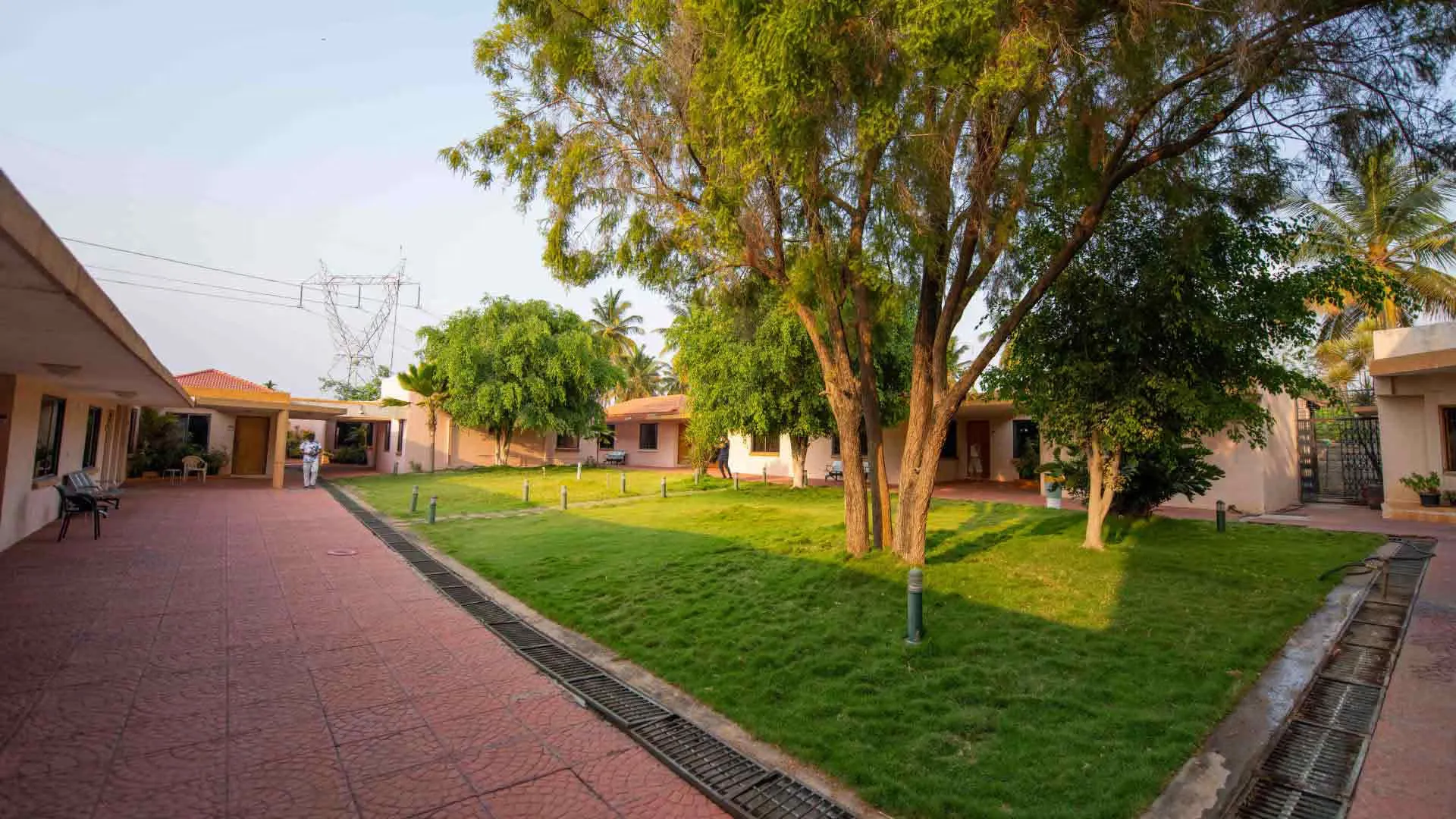
Luxury Rehabilitation Center in Bangalore, India
Read more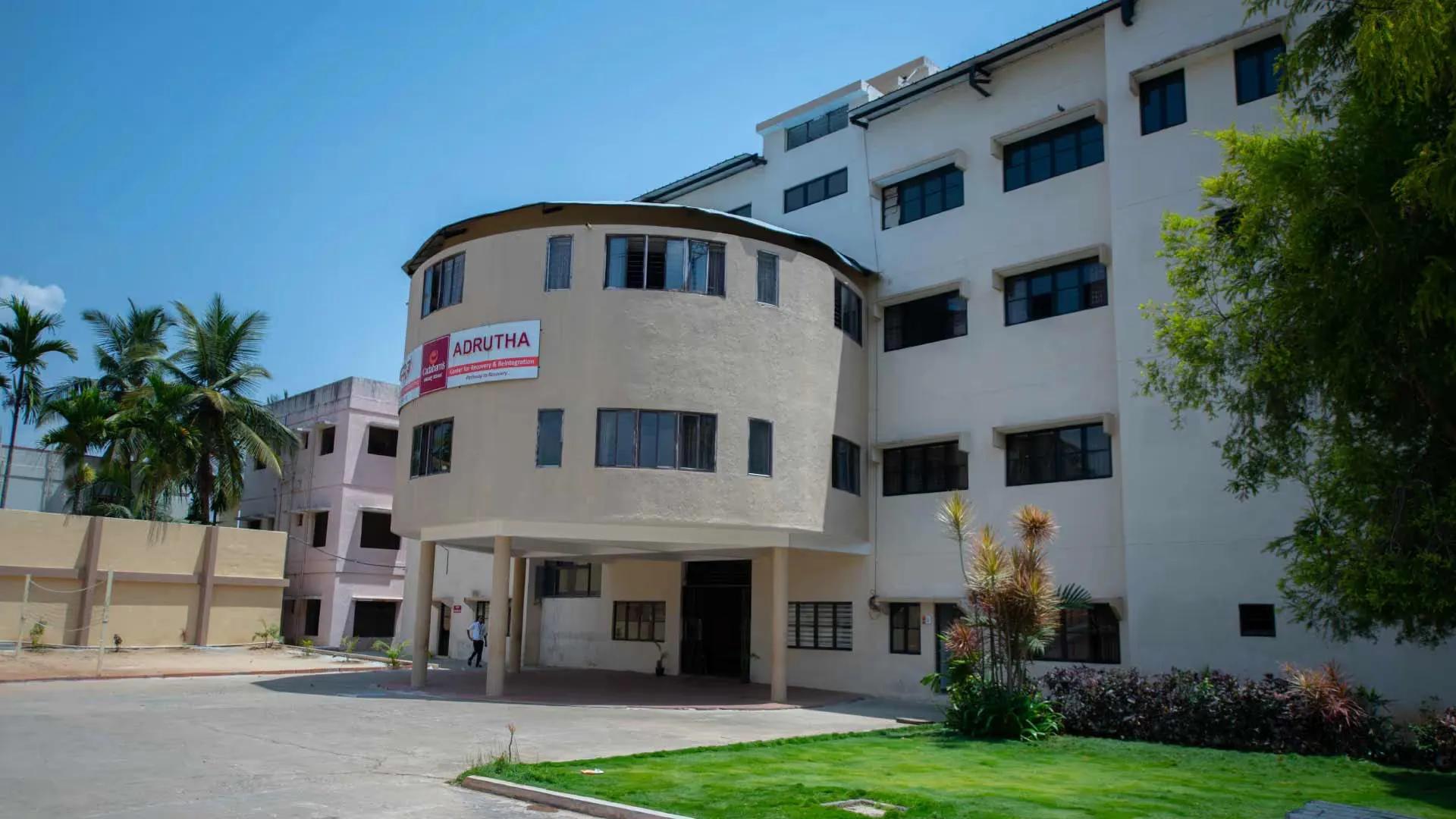
Our Affordable Rehab Centre in Bangalore
Read more
Our Advanced Mental Health Rehab Centre In Hyderabad
Read more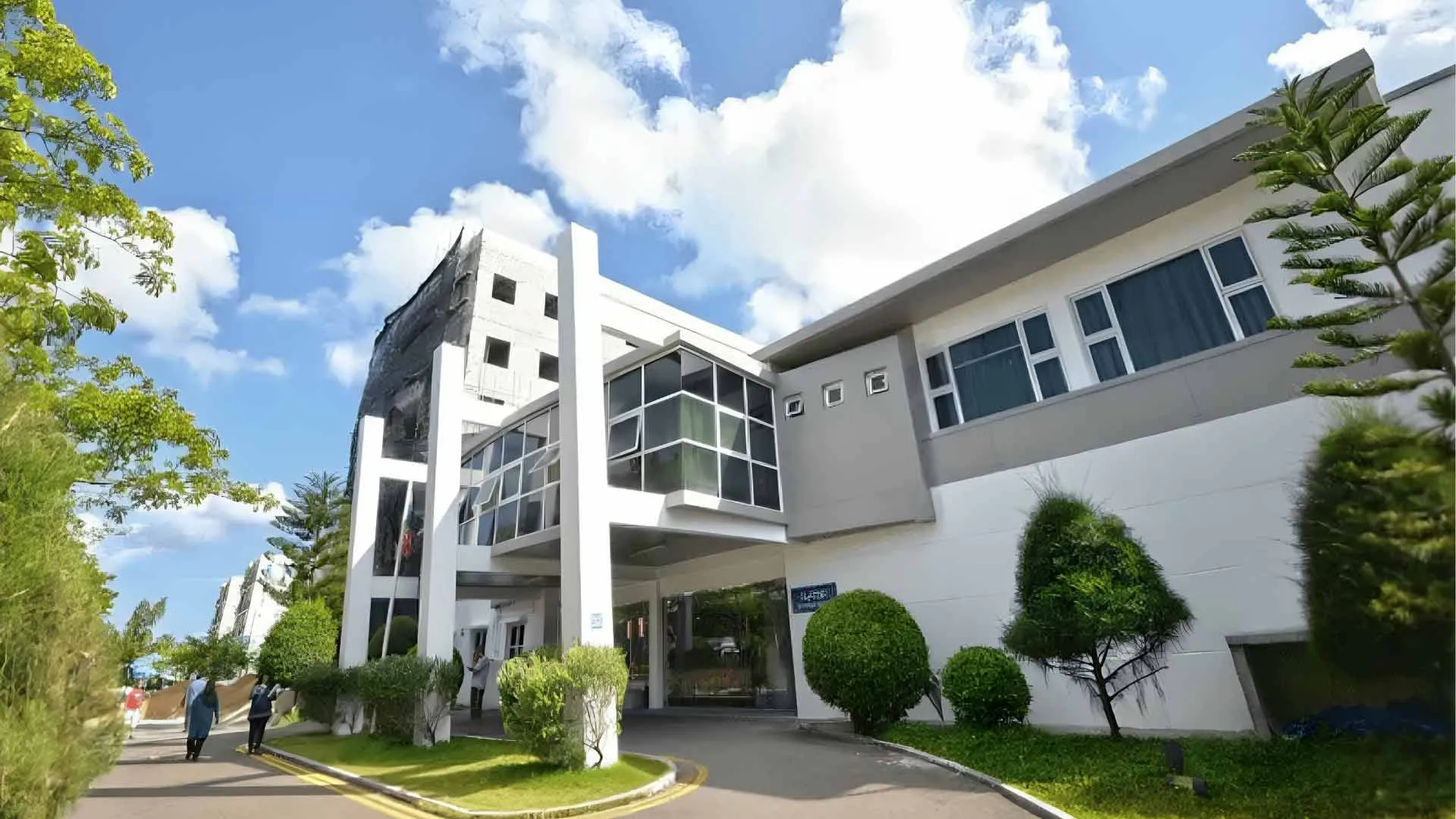
Premier Mental Health & Rehabilitation Centre in Maldives
Read moreDiagnosis
To reach a diagnosis of depression, a mental health professional would first conduct a series of tests, interviews, and psychometric assessments. These evaluations help the professional understand the individual's symptoms better and provide a look into the current mood states, personality, physical health, and needs of the person. Some of these tests include:
Physical Exam - To diagnose depression, it is essential to rule out any physiological conditions that might be causing depression. Diseases such as anaemia and thyroid disease can increase symptoms of depression and require to be treated differently.
Psychometric Evaluations- Psychometric assessments are used to understand the severity and frequency of symptoms. They also help gauge a person’s personality, mood states, cognitive and verbal abilities, etc.
Family History Taking- Your mental health professional would use family history through interviews to understand the person and their family members' medical history. This would also help to evaluate the duration and possible causes of symptoms, factors contributing to the worsening of symptoms, and interpersonal, work-related, and family dynamics.
With the help of all this information, the mental health professional would find it easier to reach a diagnosis. If the symptoms match the criteria in manuals for psychiatric disorders (DSM 5, ICD 10), the clinician will draw up a depression treatment plan that precisely suits the needs of you or your loved one.
How we help
Cadabam’s expert psychologists help patients with Depression by providing a blend of evidence-based therapies tailored to individual needs. Depression is a treatable disorder. If you think you or your loved one is showing signs of depression, it is important to seek immediate help. With the appropriate interventions, depression symptoms can be managed, and the person can go back to living their life normally. Depending on how long the symptoms have lasted, how intense they are, and what the person specifically needs, different types of therapy can be used to effectively support someone dealing with depression. Some of the treatments for depression include:
Medication Management- Antidepressants are used to manage symptoms of depression by balancing neurotransmitter levels that help in the regulation of mood. There are different types of antidepressants prescribed, such as SSRIs, SNRIs, etc. It is essential to consult your psychiatrist to know what medication would suit your or your loved one’s needs best.
Cognitive Behavioural Therapy - CBT is a form of therapy that can help individuals identify their negative thought patterns and reframe them into more meaningful thoughts. It establishes the connections between our thoughts and behaviours and how this may be worsening depression symptoms.
Interpersonal Therapy- Interpersonal therapy draws focus to conflicts in interpersonal relationships. By addressing these conflicts and finding ways to solve them, it becomes easier to manage the problems that are contributing to depression.
Family Therapy - Family support is a crucial aspect of psychotherapy that can help family members be aware of the causes, symptoms, and effects of the disorder. This helps them support their loved one and prevent a relapse of symptoms in the future.
Counselling for depression - Through depression counselling, a mental health professional can help you evaluate the problems you are facing and find healthy ways of dealing with them.
Mindfulness-Based Cognitive Therapy - MBCT is a combination of CBT and mindfulness that can help to overcome negative thought patterns using relaxation techniques such as breathing exercises and meditation.
Group Therapy- Group therapy offers individuals a platform to discuss their problems with others who are going through a similar situation as theirs. Talking to people to whom they can relate and hearing other people's journeys motivates a person to continue their journey to recovery.
In some cases, depression is so severe that the individual does not respond to any form of treatment. Cadabam’s offers evidence-based, world-class treatment options for ECT and rTMS for severe depression treatment.
Electroconvulsive Therapy - ECT is a form of therapy in which electrical stimulation is carefully passed through the brain. This alters brain activity and relieves severe depression symptoms.
Repetitive Transcranial Magnetic Stimulation - rTMS is a form of therapy in which magnetic impulses are passed into the affected part of the brain. This helps to regulate the moods of the individual and manage depression symptoms.
Emergency service
Find nearest mental health center now
Self-care and management strategies are crucial for individuals dealing with depression, focusing on holistic well-being to mitigate symptoms.
Staying active on a regular basis can help lift your mood by triggering the release of feel-good chemicals called endorphins.
Prioritising quality sleep is essential, as poor sleep patterns can exacerbate depressive symptoms.
A healthy diet rich in fruits, vegetables, and whole grains supports overall brain health.
Additionally, avoiding alcohol is essential, as it can interfere with mood and the effectiveness of antidepressant medications, potentially worsening depression.
Good to know
While depression cannot always be prevented entirely, certain proactive steps can reduce the risk. Building strong social support systems, managing stress effectively, maintaining a healthy lifestyle, and seeking early professional help for emotional difficulties can make a significant difference. For individuals with a family history or past experiences of depression, regular mental health check-ins and professional guidance can aid in early detection and timely intervention.
Details
Seeking professional help for depression enables accurate diagnosis, effective therapy, and emotional support. Early intervention improves recovery outcomes and reminds individuals that they are not alone in their mental health journey.
It's crucial to acknowledge that depression is a real illness impacting many aspects of life. However, it's equally important to remember that help is available. Individuals can manage their symptoms and recover with the right combination of therapy, medication, and support. Access to professional care and support networks can significantly improve outcomes, making depression a treatable condition.
Consulting a healthcare professional is the first step towards overcoming depression. For expert guidance and compassionate care, consider reaching out to Cadabam’s. Our experienced team is dedicated to providing personalised treatment and support, ensuring you're not alone in your journey to wellness.
Patients should openly discuss their concerns with their healthcare provider and insist on a thorough evaluation to accurately address their mental health needs. A thorough evaluation helps create a treatment plan that’s personalised to someone’s unique symptoms and struggles, making it easier to treat depression in a more focused and effective way.
Good to know
If you or someone you care about is having thoughts of self-harm or suicide, getting immediate help is absolutely essential. In such urgent situations, Cadabam’s offers immediate support and intervention. Our team is ready to provide the necessary care and guidance to navigate this crisis, ensuring safety and beginning the journey to recovery.
Cadabam’s counsellors assist patients by employing a personalised approach that integrates psychotherapy and holistic support, helping individuals to develop coping mechanisms and resilience in managing the symptoms of their conditions.

33+ years of focused mental healthcare, shaped by 1000+ real patient journeys.

State of the art mental health centres built for treatment and recovery.

A coordinated team of psychiatrists, psychologists, counsellors, and rehabilitation specialists supporting your care.

Support from early signs through treatment and recovery.

Treatment guided by clear plans that continue beyond diagnosis.

Planned follow ups and continued guidance to help maintain progress over time.
Inside our centres
FAQs
Patient journeys
Voices of Resilience
Paranoid Schizophrenia - Seeta's Story
Depression due to Abortion and Paranoid Schizophrenia
Read story →Voices of Resilience
Comorbid Disorders - Akash's Story
OCD, Bipolar and Substance Abuse Disoder along with Tic Disorder
Read story →Voices of Resilience
Bipolar Affective Disoder - Meena's Story
Depression, Bipolar Affective Disorder, and Obsessive Compulsive Disorder
Read story →Voices of Resilience
Borderline Personality Disorder - Sumadhra's Story
Emotionally Unstable with Borderline Personality Disorder
Read story →Watch & learn
Voices of recovery
Depression is such a difficult situation to face. My family was so supportive through my recovery journey. But, I must give special credit to the team at Cadabam’s, who took such good care of me at their rehabilitation centre. Thank you for helping me return to my life.
— James Verghese
My daughter was suffering from Depression. She had tried to hurt herself as well. The entire family was scared. The staff and doctors at Cadabam’s were so understanding. They really seemed to care about our daughter, and we felt a little peaceful after she began rehab at Cadabam’s. She is slowly but surely making significant recovery and we couldn't be happier.
— Bharat Bhargav
I never thought depression could happen to me. I always thought of myself as a happy person. But, slowly I started noticing the changes. I was no longer finding joy in life and most of my time would be spent having really dark thoughts. It got so bad that I had to choose rehabilitation. Rehabilitation at Cadabam’s was so effective. It helped me recover and gave me the confidence that I could fight the dark thoughts if they ever returned. Thank you so much Cadabam’s!
— Devika Sharma
Further reading

Care pathways
Psychiatrist care for Depression with personalised assessment, treatment planning, and ongoing support from experienced specialists.
Learn moreLooking for the best Psychiatrist for Bipolar Disorder in Bangalore? Get expert consultation, symptom management, and confidential clinical care.
Learn moreLooking for the best Psychiatrist for Depression in Hyderabad? Get expert consultation, symptom management, and confidential clinical care.
Learn morePsychologist care for Depression with personalised assessment, treatment planning, and ongoing support from experienced specialists.
Learn moreFinding the right psychologist for Depression near you might be difficult. Cadabam’s have the best Psychologist for Depression in Bangalore.
Learn moreLooking for the best Psychologist for Depression in Hyderabad? Get expert consultation, symptom management, and confidential clinical care.
Learn moreTherapist care for Depression with personalised assessment, treatment planning, and ongoing support from experienced specialists.
Learn moreLooking for the best Therapist for Depression in Bangalore? Get expert consultation, symptom management, and confidential clinical care.
Learn moreLooking for the best Therapist for Depression in Hyderabad? Get expert consultation, symptom management, and confidential clinical care.
Learn moreCounselor care for depression with personalised assessment, treatment planning, and ongoing support from experienced specialists.
Learn moreGetting counselling for Depression is only the first step in the process. Cadabam’s have the best counselling for Depression in Bangalore.
Learn moreLooking for the best counselor for Depression in Hyderabad? Get expert consultation, symptom management, and confidential clinical care.
Learn moreRehabilitation for Depression designed to support stability and sustained recovery. Explore evidence-based long-term rehabilitation for Depression and mental healthcare for lasting wellness.
Learn moreFind comprehensive depression rehabilitation in Bangalore with medication support, therapy, and personalized recovery plans. Discover trusted mental healthcare at Cadabam’s for lasting depression recovery and rehabilitation in Bangalore.
Learn moreDepression rehabilitation in Hyderabad with medication support, therapy, and personalised recovery plans. Trusted mental healthcare at Cadabam’s.
Learn moreSpecialised treatment center for Depression offering psychiatric consultation, diagnosis, medication management, and therapy for long-term symptom stability.
Learn moreCadabam’s offers professional depression treatment centre in Bangalore with clinical care, therapy, and tailored programs for effective recovery.
Learn moreGet advanced depression treatment in Centre Hyderabad at Cadabam’s. Our centre offers therapies, hospital care, and recovery programs for lasting wellness.
Learn moreCadabam’s offers effective treatment for Depression in Hyderabad. Our facilities are focused on giving you a home-like environment.
Learn moreComprehensive rehabilitation programs for Depression with personalised treatment plans, therapy, and long-term aftercare support.
Learn moreAt Cadabam’s, we have Depression rehabilitation programs in Bangalore which include medication, psychotherapy, & rehabilitation.
Learn moreExplore rehabilitation programs for Depression in Hyderabad offering structured care, therapy, and long-term recovery support tailored to individual needs.
Learn moreDiscover compassionate depression care in Bangalore for your loved one. Explore effective support and expert guidance on the path to recovery.
Learn moreHelpline at your fingertips
+91 9611194949