What is Psychotherapy and How Does it Support Mental Wellness?

What is Psychotherapy and How Does it Support Mental Wellness?

Any form of treatment for psychological, emotional, or behavioral disorders in which a trained individual develops a relationship with one or more patients with the goal of modifying or removing existing symptoms and fostering personality growth is referred to as psychotherapy, also known as counseling.

The impact of trauma, disease, or loss, such as the loss of a loved one, as well as specific mental disorders like depression or anxiety are all issues that psychotherapy can help with. Psychotherapy comes in a variety of forms, and some of them may be more effective for particular concerns or problems than others. Medication or other therapies can be combined with psychotherapy.

Valid number

Thank You!!

We hope you find this resource useful!
Something went wrong. Please try again after some time.

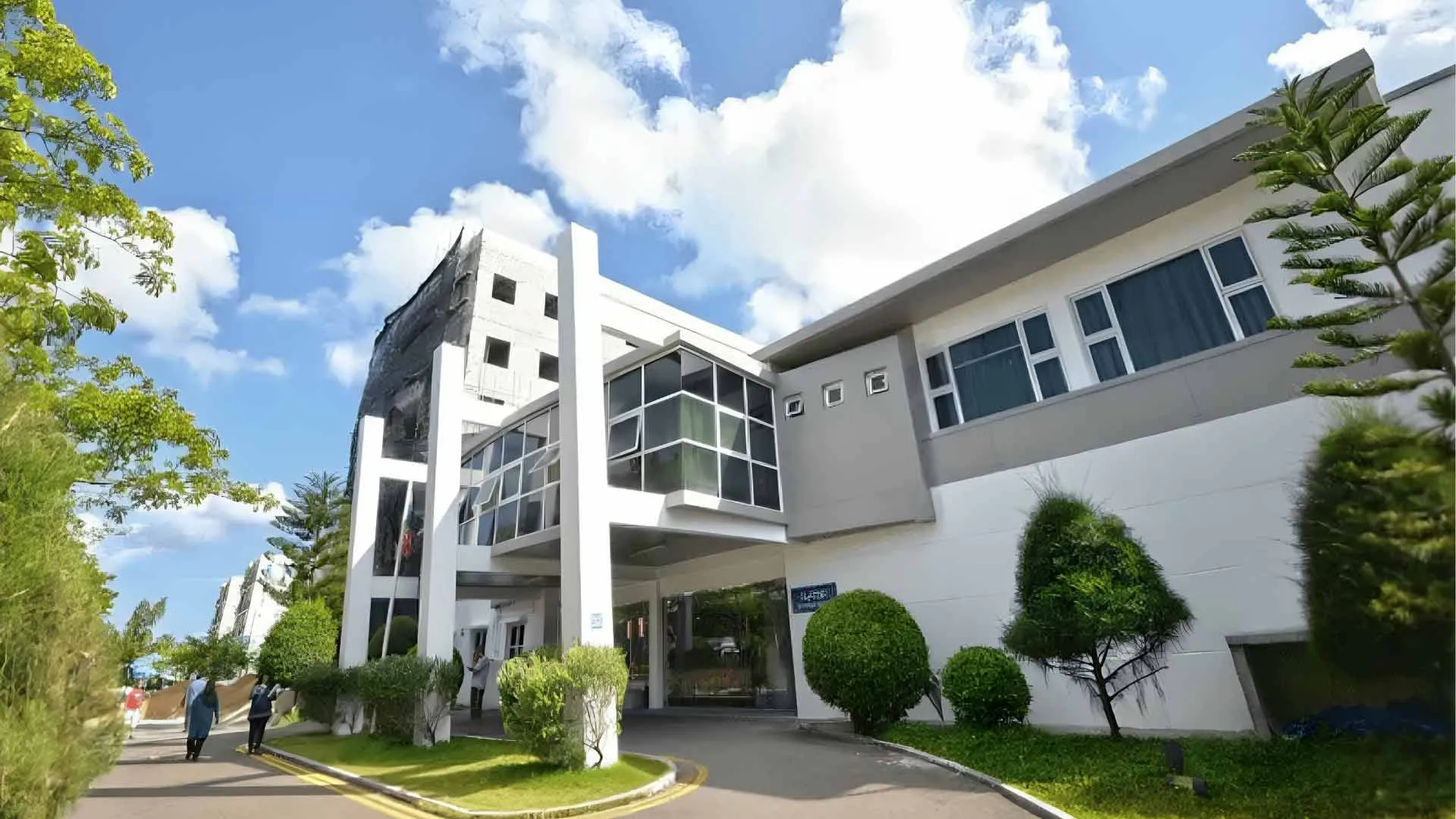
Psychotherapy Services at Cadabams Maldives

What Psychotherapy Services Does Cadabam’s Offer?

Cadabam's provides expert psychotherapy services delivered by an experienced team of psychologists, counsellors, and psychiatrists. Our approach is rooted in evidence-based practices, ensuring that every treatment plan is carefully tailored to meet the unique needs, diagnosis, and recovery goals of each individual. We are committed to creating a safe and supportive environment for healing and growth.

Who Should Consider Psychotherapy?

Psychotherapy can benefit a wide range of individuals seeking to improve their mental and emotional health. You should consider therapy if you are:

  • Struggling with persistent emotional distress like sadness or anger.
  • Experiencing symptoms of anxiety, depression, or other mental health conditions.
  • Facing challenges in your personal or professional relationships.
  • Trying to cope with past trauma or significant life changes.
  • Dealing with behavioural challenges that impact your daily functioning.
  • Seeking to understand yourself better and foster personal growth.

What are the Signs That Someone May Benefit from Psychotherapy?

Recognizing the need for professional support is the first step toward recovery. Here are common signs that indicate psychotherapy could be helpful:

  • ✅ Persistent feelings of sadness, hopelessness, or emptiness.
  • ✅ Overwhelming anxiety, worry, or fear that disrupts daily life.
  • ✅ Difficulty coping with stress or managing intense emotions.
  • ✅ Noticeable changes in sleep or appetite.
  • ✅ Withdrawal from social activities and relationships
  • ✅ Increased irritability, anger, or mood swings.
  • ✅ Difficulty concentrating or making decisions.
  • ✅ Unresolved grief or trauma from past events.
  • ✅ Increased reliance on substances like alcohol or drugs.
  • ✅ A feeling that something is "off" without a clear reason.

What Mental Health Conditions Can Be Treated with Psychotherapy?

Psychotherapy is a primary treatment modality for numerous mental health conditions. It offers structured support to manage symptoms and improve functioning for those with:

  • Depression and Mood Disorders
  • Anxiety Disorders (including GAD, Panic Disorder, and Phobias)
  • Post-Traumatic Stress Disorder (PTSD) and other trauma-related disorders
  • Obsessive-Compulsive Disorder (OCD)
  • Personality Disorders
  • Eating Disorders
  • Substance Use Disorders
  • Relationship and Interpersonal Conflicts

How Does Psychotherapy Work?

Psychotherapy works through a collaborative process between you and a therapist. Sessions involve structured conversations aimed at identifying unhelpful emotional patterns, thought processes, and behaviours. By exploring these areas in a safe space, you can develop effective coping strategies, build psychological resilience, and work towards your mental health goals.

What Happens During an Initial Psychological Assessment?

  • Your first session involves a comprehensive assessment of your concerns.
  • The therapist will ask about your symptoms, personal history, and goals.
  • This evaluation helps establish a clear understanding of your needs
  • It serves as the foundation for creating an effective treatment plan.

How is a Personalised Therapy Plan Created?

  • Following the assessment, your therapist develops a personalised plan.
  • This plan is tailored to your specific diagnosis, needs, and goals.
  • It outlines the therapeutic approach, session frequency, and objectives.
  • The plan is flexible and can be adjusted as you make progress.

What is the Role of Regular Therapy Sessions and Progress Monitoring?

  • Consistent therapy sessions are crucial for building skills and momentum.
  • You will learn and practice new coping strategies with your therapist's guidance
  • Progress is regularly monitored to ensure the treatment is effective.
  • This ongoing process helps you stay on track and achieve lasting improvement.

What Types of Psychotherapy are Offered?

At Cadabam's, we utilize a variety of evidence-based therapeutic approaches to ensure the most effective treatment. Your therapist will determine the best modality for your specific situation.

What is Cognitive Behavioural Therapy (CBT)?

  • CBT is a goal-oriented therapy focused on the present.
  • It helps you identify and challenge negative or distorted thought patterns.
  • You learn to modify behaviours that contribute to emotional distress.
  • It is highly effective for depression, anxiety, and phobias.

What is Interpersonal Therapy (IPT)?

  • IPT focuses on improving your relationships and social functioning.
  • It helps resolve interpersonal conflicts and build stronger connections.
  • The therapy addresses issues like unresolved grief, role transitions, or disputes.
  • It works to reduce distress by enhancing your support system.

What is Trauma-Focused Therapy?

  • This approach is specifically designed to address the effects of trauma.
  • It helps individuals process traumatic memories in a safe environment.
  • The goal is to reduce symptoms like flashbacks, nightmares, and anxiety.
  • Techniques are used to manage triggers and restore a sense of safety.

What is Supportive Psychotherapy?

  • Supportive psychotherapy aims to improve emotional coping and stability.
  • It helps reinforce your existing strengths and coping abilities.
  • The therapist provides encouragement, guidance, and a non-judgmental space.
  • It is beneficial for managing stress and improving overall psychological resilience.

What is the Duration and Structure of a Psychotherapy Program?

The duration and structure of psychotherapy are highly individualised. Sessions typically occur weekly or bi-weekly, depending on your treatment needs and recovery progress. Some individuals may benefit from short-term, goal-focused therapy, while others may require longer-term support for more complex conditions. Your therapist will discuss the recommended plan with you.

What are the Expected Outcomes of Psychotherapy?

Engaging in psychotherapy can lead to significant positive changes in your life. Key outcomes include:

  • Improved emotional regulation and stability.
  • A significant reduction in symptoms of mental illness.
  • Development of effective and healthy coping skills.
  • Enhanced self-awareness and self-esteem.
  • Stronger and healthier interpersonal relationships.
  • An overall improvement in your quality of life and well-being.

What Other Mental Health Programs at Cadabam’s Complement Psychotherapy?

For comprehensive care, psychotherapy can be integrated with other services at Cadabam's, including:

  • Medication Management: For conditions that benefit from a combination of therapy and medication.
  • Dual Diagnosis Program: Specialised care for co-occurring mental health and substance use disorders.
  • Rehabilitation Programs: Structured support for long-term recovery and functional improvement.

Why Choose Cadabam’s for Psychotherapy?

Choosing Cadabam's means entrusting your mental health to a leader in mental healthcare. We provide:

  • Experienced Team: Access to highly qualified psychologists, psychiatrists, and therapists.
  • Evidence-Based Care: Treatment plans based on proven, effective therapeutic methods.
  • Personalised Programs: Therapy tailored specifically to your individual needs and goals.
  • Compassionate Environment: A safe, confidential, and supportive space for healing.
  • Holistic Approach: Integrated care that addresses all aspects of your well-being.

Take the first step towards better emotional health. Call us at +91 9611194949 to learn more about our psychotherapy programs.

Our centres where this program is offered

Types of Admissions

01
Regular Admission

As and when the family or the primary caregiver confirms the admission by following the processes related to “Admission Procedure”.

02
Referred Admissions

Many psychiatrists utilize our psychosocial rehab services for their clients. In cases where the resident is referred from a psychiatrist for psychosocial interventions, the referring psychiatrist also becomes part of the treating team and he/she will be regularly updated about the progress and will also be involved in the overall care. Hundreds of eminent psychiatrists trust us with their clientele when it comes to residential care & rehab.

03
Admission under Special Circumstances

We have a number of patrons from various countries and different parts of the country seeking admission. We also have mental health professionals across the country referring us to complex cases that require psychosocial intervention. Under special circumstances where it is not feasible to visit or in case of a crisis/mental health emergency the Director-operations will guide the family after assessing the need for intervention.

04
Admissions and Mental Health Review Board

Your admissions either be it a Voluntary or Supported is all governed by the Mental Health Care Act 2017. Cadabam's and all its entities are registered as Mental health establishments as per the act and admissions are compliant to the relevant sections of the act. Cadabam's Bangalore centers comes under the purview of Mental Health Review Board (Bangalore and Mysore Division) which is functional at Psychiatry Reception area Arts Theatre, New Building, Opposite to SBI Bank, NIMHANS Hospital Compound, Bangalore 560029. The contact no of the Board is  +91-9480817894 and e-mail: mhrb.bm2022@gmail.com.  
All admissions of whatever category mentioned are reported to the Board and anybody with any grievances can also report to Board.

CTA Left illustration

Schedule a screening with our experts

Valid number

Thank You!!

We hope you find this resource useful!
Oops! Something went wrong while submitting the form.
CTA Right illustration

Testimonials

Quotation Icon

We had the best experience at the Adrutha campus and their counsellors are so nice and cooperative.

Nasima Meyor
Quotation Icon

Cadabam’s Adrutha is an amazing place for people with mental health issues. It gives you a safe, secure, independent, natural place to let your wards thrive and sustain their living. My sister is 45 years old, and she has lived here for almost 6 years in this rehab, and she loves it.  

Narendra Surana
Quotation Icon

Cadabams has helped us so much. Our grandmother was fighting dementia, and she was suffering a lot. Cadabams Rehabilitation helped her. The doctors there were very helpful and caring. They regularly kept in touch with us to give an updated about her.

Varshith R
Quotation Icon

My father was fighting dementia, and it was difficult to manage it at home. We searched for support for him, and we found Cadabams. They helped us immensely, they cared for him, and he seems so happy there. Thank you Cadabams.

Mahantesh G
Quotation Icon

My son was suffering from Schizophrenia. We tried many places to get him treated but none worked. We heard about Cadabam's and once we stepped in here, our lives changed. They have helped us immensely and my son is recovering. I never thought I would see him enjoy life again. Thank you Cadabams.

Rahul Bose

Difference between Rehab and In-Patient

IP Care

  • Hospital setting for care in acute situations
  • Focuses on immediate relieving of symptoms in case of emergencies
  • Mainly involves the treating team that focuses on symptoms reduction
  • Individuals will need a family member with them in case of emergencies
  • The first step is seeking care for acute mental health disorders, after which rehabilitation may be necessary or not

Our Professionals

Psychiatrist

Dr. Thejus Kumar B R

Designation:
Consultant Psychiatrist
Experience:
6
Years
Book Appointment
Psychiatrist

Dr. Keerthi Sagar

Designation:
Consultant Psychiatrist
Experience:
7
Years
Book Appointment
Psychologist

Ms. Sufia Nusrat

Designation:
Chief Clinical Executive
Experience:
14
Years
Book Appointment
Psychologist

Aparna Rani

Designation:
Consultant Clinical Psychologist
Experience:
9
Years
Book Appointment
Psychiatrist

Dr. Kishan Anwar

Designation:
Consultant Psychiatrist
Experience:
3
Years
Book Appointment

Why Cadabam's?

Illness Feature Icon

Decades of Expertise

33+ years of focused mental healthcare, shaped by 1000+ real patient journeys.

Illness Feature Icon

Dedicated Care Centres

State of the art mental health centres built for treatment and recovery.

Illness Feature Icon

Multidisciplinary Care Team

A coordinated team of psychiatrists, psychologists, counsellors, and rehabilitation specialists supporting your care.

Illness Feature Icon

Experience Across Stages

Support from early signs through treatment and recovery.

Illness Feature Icon

Structured Care Model

Treatment guided by clear plans that continue beyond diagnosis.

Illness Feature Icon

Continuity of Care

Planned follow ups and continued guidance to help maintain progress over time.

Ask Cadabams!

FAQ CTA Image

Got any more questions?

Give us a ring
How long does psychotherapy take to work?

The time it takes to see results from psychotherapy varies for each person. Some individuals notice improvements within a few weeks, while others with more complex conditions may require several months or longer. Your progress depends on your specific goals, the severity of your concerns, and your active participation in the process.The time it takes to see results from psychotherapy varies for each person. Some individuals notice improvements within a few weeks, while others with more complex conditions may require several months or longer. Your progress depends on your specific goals, the severity of your concerns, and your active participation in the process.

Is psychotherapy the same as counselling?

While related, they are different. Counselling often addresses specific, short-term problems like stress or grief. Psychotherapy typically delves deeper into long-standing emotional patterns and mental health conditions, often involving a more structured and long-term treatment plan to facilitate profound change.

Can psychotherapy help severe mental health conditions?

Yes, psychotherapy is a crucial component in treating severe mental health conditions. It is often used alongside psychiatric care and medication management to help individuals manage symptoms, improve functioning, and build long-term recovery skills for conditions like bipolar disorder, schizophrenia, and severe depression.

How often should therapy sessions occur?

Most commonly, therapy sessions are scheduled once a week, especially at the beginning of treatment. As you make progress, the frequency might be reduced to bi-weekly or monthly. The optimal schedule depends entirely on your individual needs, treatment plan, and your therapist's recommendation.

Call IocnWhatsapp Icon