Psychiatrist
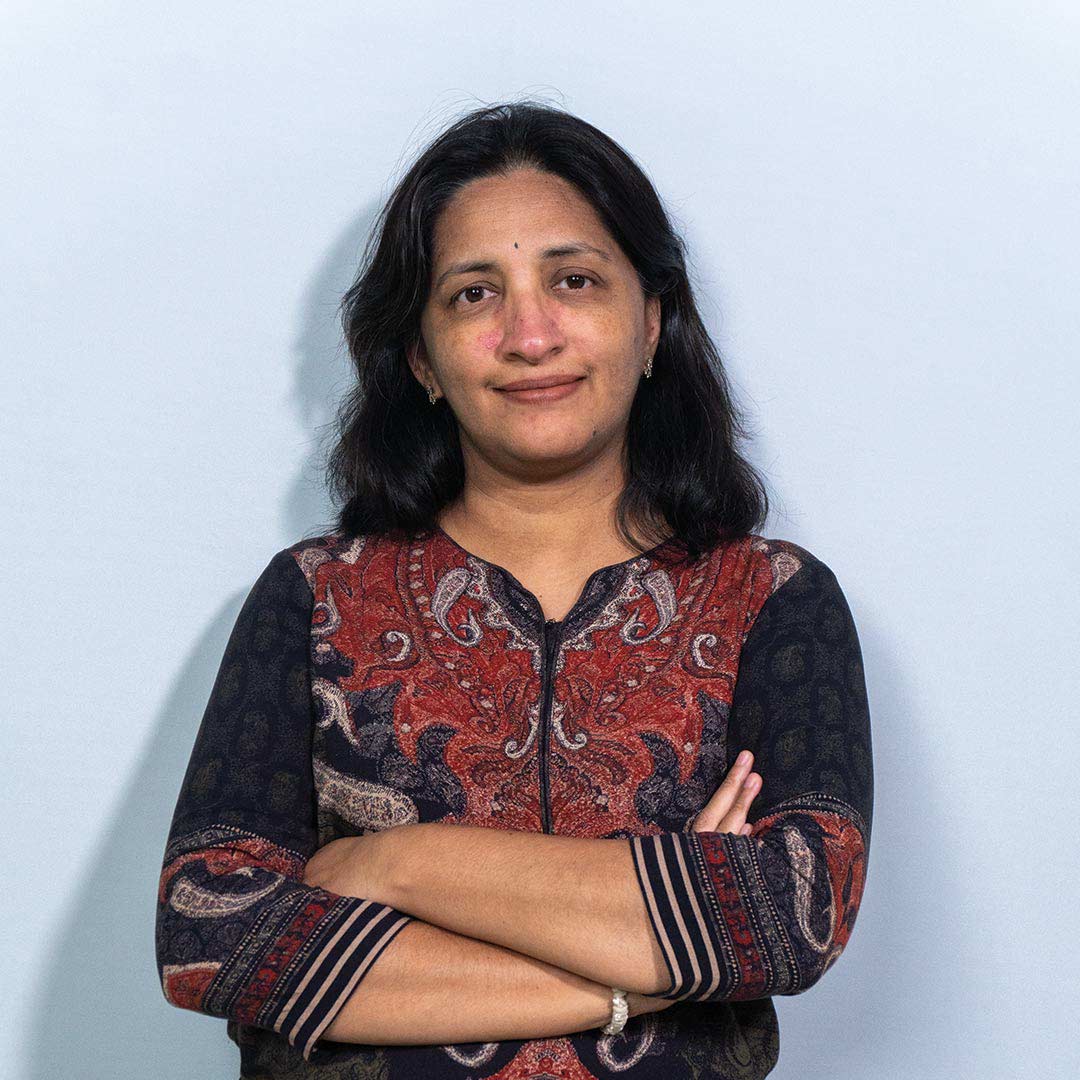
Dr. R. Priya Raghavan
Consultant Psychiatrist
21 years of experience
Treats: SLD, Autism Spectrum Disorder, Dementia, Schizophrenia, Bipolar Disorder, OCD, Drug Addiction
View profileWe all once in a while worry about eating too much- whether it’s after a big meal or after enjoying our favourite foods. But for some, this worry goes far beyond occasional feelings of guilt and turns into a deep fear of weight gain, leading to restrictions on food intake. This is the reality of anorexia nervosa, a severe eating disorder that affects millions of people worldwide.
According to the National Institutes of Health, the lifetime prevalence rate of this condition is 4% among females and 0.3% in males. Early recognition and intervention are crucial, as untreated anorexia can lead to life-threatening complications. Studies show that anorexia has one of the highest mortality rates among psychiatric disorders.
What to look for
Meet the clinicians
Psychiatrist
Consultant Psychiatrist
21 years of experience
Treats: SLD, Autism Spectrum Disorder, Dementia, Schizophrenia, Bipolar Disorder, OCD, Drug Addiction
View profile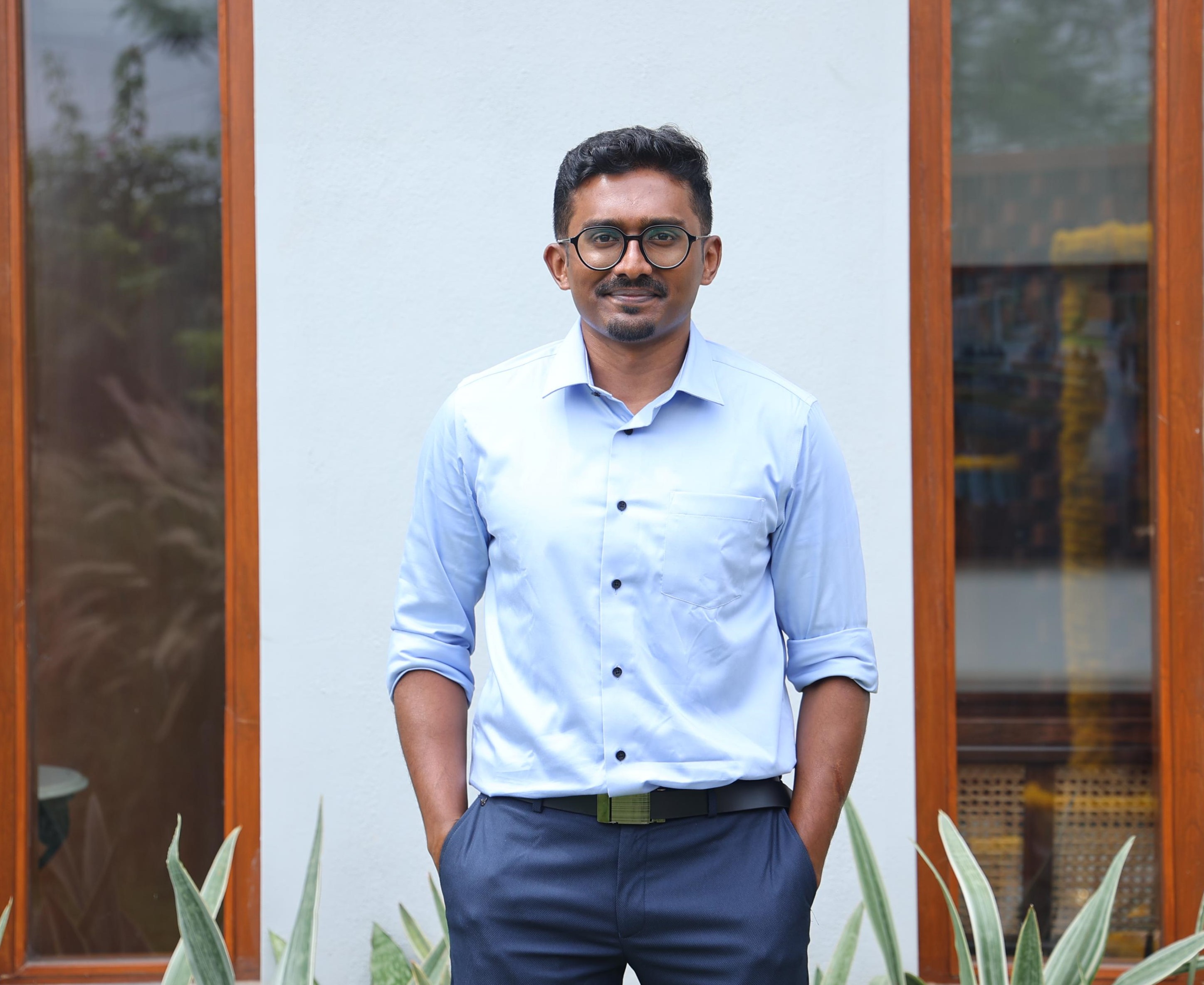
Psychiatrist
Consultant Psychiatrist
6 years of experience
Treats: Schizophrenia, Personality Disorder, OCD, Dementia, Autism, Drug Addiction
View profile
Psychiatrist
Consultant Psychiatrist
15 years of experience
Treats: Schizophrenia, Alcohol Dependence, Bipolar Disorder, Depression, Drug Addiction, OCD, Personality Disorder, Autism Spectrum Disorder, Dementia, SLD
View profile
Psychiatrist
Medical Director
25 years of experience
Treats: Alcohol Dependence, Bipolar Disorder, Dementia, Schizophrenia, Drug Addiction, Personality Disorder, OCD
View profile
Psychiatrist
Consultant Psychiatrist
15 years of experience
Treats: Drug Addiction, Alcohol Dependence, Dementia, Depression, Bipolar Disorder, OCD, Personality Disorder, Schizophrenia, Autism Spectrum Disorder
View profileWhy it happens
Recognising triggers that contribute to an eating disorder can help individuals to manage and prevent relapses. These triggers can be emotional, environmental or directly related to eating habits.
Emotional burdens such as stress, anxiety or unresolved trauma can exacerbate the symptoms of anorexia. People with low self-esteem can feel unworthy if they do not stay extremely slim. Stress management through therapy, mindfulness and self-care is essential for recovery.
Unrealistic body standards are portrayed in the media, leading to unhealthy comparisons. Peer pressure, especially from friends or family who promote a diet culture, can reinforce restrictive eating behaviours. Toxic relationships in which appearance is frequently criticised contribute to an unhealthy self-image.
A fixation on calorie counting, food labelling and portion control can create an unhealthy relationship with food. Dieting cycles where individual restrict food and later feel guilty can exacerbate anorexia. A balanced approach to diet and food acceptance is necessary for long-term recovery.
Details
Social media and diet culture have a significant impact on body image and eating behaviour and often encourage the development of anorexia.
Platforms such as Instagram and TikTok glamorise ultra-thin bodies and promote "thinspiration" (thinspo) content that encourages extreme dieting. Exposure to such images increases dissatisfaction with one's own body and the pressure to conform to unrealistic ideals of beauty.
Frequent use of social media is associated with lower self-esteem and increased concerns about body image. Philtres, photo editing and weight loss trends distort the perception of reality and lead people to adopt unhealthy eating habits in order to achieve an unattainable physique.
Uncontrolled health advice from influencers promotes dangerous diet trends such as extreme fasting, liquid diets or the elimination of entire food groups. These methods are not scientifically validated and contribute to disordered eating habits, leaving people vulnerable to nutritional deficiencies and long-term health consequences.
How it presents
Anorexia Nervosa is a serious eating disorder that presents in multiple forms, each with unique behavioral traits and health risks. Understanding the types helps in early diagnosis and targeted treatment.
This is the most commonly diagnosed subtype. Individuals reduce food intake to extreme levels and avoid high-calorie foods, leading to severe weight loss without bingeing or purging.
Example: A person who survives on minimal meals and engages in excessive physical activity to maintain control over weight.
Characterized by cycles of overeating followed by purging behaviors such as vomiting, use of laxatives, or excessive exercise. Though similar to bulimia, individuals with this subtype remain underweight.
Example: Someone who eats large amounts of food in one sitting and then forces themselves to vomit to avoid weight gain.
People with atypical anorexia display all psychological symptoms of anorexia—intense fear of weight gain, distorted body image, and restrictive eating—but maintain a body weight within or above the normal range.
Example: An individual with a healthy-looking BMI who skips meals, counts calories obsessively, and feels guilty after eating.
Good to know
Identifying the type helps mental health professionals create a personalized treatment plan that addresses the root behaviors and improves recovery outcomes.
Diagnosis
Early diagnosis is crucial for effective anorexia nervosa treatment and recovery. Healthcare professionals use clinical assessments, psychological evaluations and medical tests to confirm the presence of the disorder and rule out other conditions that may cause similar symptoms.
The Diagnostic and Statistical Manual of Mental Disorders (DSM-5) contains standardised criteria for the diagnosis of anorexia nervosa. The most important diagnostic factors include a significant restriction of food intake leading to a dangerously low body weight, a strong fear of gaining weight and a distorted body image in which those affected perceive themselves as overweight even though they are underweight.
A healthcare professional will carry out a comprehensive clinical assessment, including a detailed medical and psychological history. The individual’s eating behaviour, exercise habits and emotional well-being are assessed. Family members can also provide information about behavioural changes, compulsive eating rituals or withdrawal from social activities.
Blood tests are carried out to assess the effects of malnutrition and detect possible organ damage, electrolyte imbalances or hormonal imbalances. Additional tests such as bone density measurements, ECGs (electrocardiograms) and metabolic tests help to determine how anorexia affects the body.
How we help
Recovery from anorexia nervosa requires a multidisciplinary approach that includes therapy, nutritional support and medical supervision. Treatment depends on the severity of the disorder and the individual needs of the individual.
Cognitive behavioural therapy (CBT) is considered the most effective psychological anorexia nervosa treatment. It helps those affected to recognise and change distorted thought patterns in relation to food, weight and self-esteem. Other forms of psychotherapy, including interpersonal therapy (IPT) and dialectical behaviour therapy (DBT), help individuals overcome underlying emotional trauma and develop healthier coping mechanisms.
Nutritional rehabilitation is an important part of recovery. Registered dietitians work with individuals to develop structured meal plans that gradually reintroduce important nutrients. The focus here is on restoring a healthy weight, eliminating deficiency symptoms and establishing a balanced, non-restrictive relationship with food.
In severe cases, hospitalisation may be necessary if an individual’s body weight falls to dangerously low levels or if medical complications such as severe dehydration, cardiac arrhythmia or organ failure occur. Inpatient or residential treatment programmes provide medical stabilisation, monitored nutrition and intensive therapy to ensure the individual's safety and long-term recovery.
Emergency service
Find nearest mental health center now
Details
Recovery from anorexia goes beyond medical treatment — it requires continuous effort, self-knowledge and effective coping mechanisms to prevent relapse and maintain long-term well-being.
Mindful eating means paying attention to hunger cues, enjoying meals without guilt and eliminating restrictive eating rules. Keeping a food diary, preparing meals and using intuitive eating can help individuals reconnect with their body’s natural needs.
Anorexia is often caused by a negative self-perception and unrealistic body standards. Addressing these thoughts through mirror therapy, positive body affirmation, and media literacy training can help people develop self-acceptance and appreciate their bodies beyond their appearance.
Recognising personal triggers - be it stress, social pressure or diet culture — is crucial for relapse prevention. Regular therapy sessions, socialising with supportive people and developing healthier stress management strategies can reduce the likelihood of relapsing into disordered eating habits.
Self-compassion means forgiving yourself for setbacks and acknowledging progress rather than striving for perfection. Daily affirmations, self-care activities and focusing on strengths beyond physical appearance promote a healthier mindset and long-term recovery. This also includes journaling, mindful breathing, and surrounding yourself with supportive individuals who reinforce positive self-worth and emotional growth.
Our centres

Our Specialised De-Addiction Centre in Bangalore
Read more
Long-Term Rehabilitation Center in Bangalore, India
Read more
Advanced Psychiatric Rehab Centre in Bangalore
Read more
Luxury Rehabilitation Center in Bangalore, India
Read more
Our Affordable Rehab Centre in Bangalore
Read more
Our Advanced Mental Health Rehab Centre In Hyderabad
Read more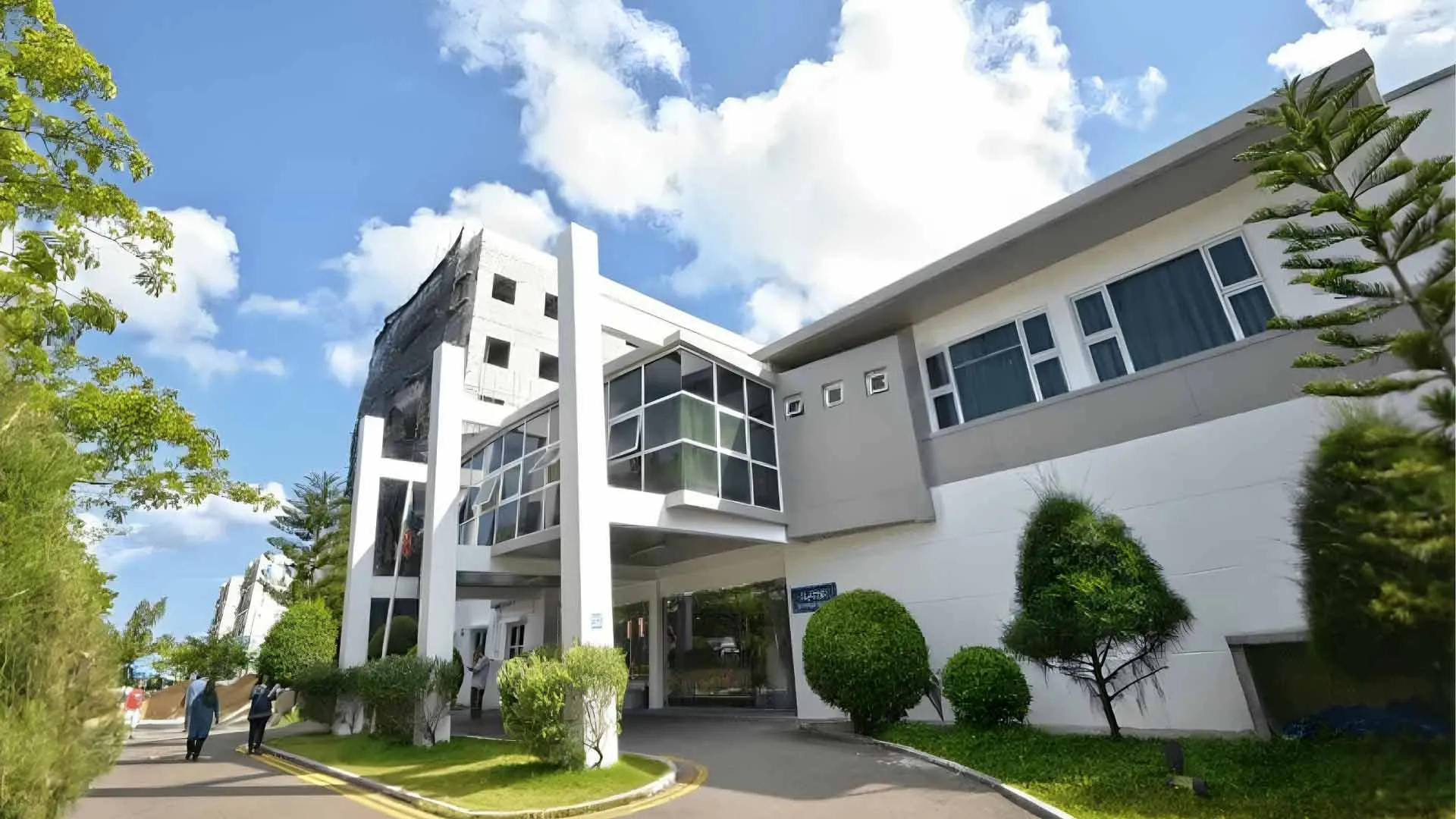
Premier Mental Health & Rehabilitation Centre in Maldives
Read moreDetails
Anorexia nervosa can be a difficult subject for both individuals and their families. For recovery, it is important to know when and how to seek professional support.
If someone is experiencing severe weight loss, compulsive eating behaviour or emotional body image issues, professional help should be sought immediately. Additional signs may include isolation, extreme diet habits, or denial of hunger. Delaying anorexia nervosa treatment increases the risk of long-term physical and psychological consequences.
The choice of the right treatment centre depends on the severity of the condition. Outpatient therapy, inpatient programmes and residential treatment are all available depending on individual needs. It's important to explore available treatment models, medical history, and emotional readiness when choosing the right recovery pathway.
Support groups offer a sense of community and understanding for people struggling with anorexia. Online groups offer access and anonymity, making them ideal for those who feel uncomfortable talking in person. In-person groups, on the other hand, offer direct interaction with like-minded people, professional guidance and a structured support system. Both formats offer ongoing encouragement and peer validation.
Cadabam’s is one of the top mental health brands in India, offering a range of treatment options for mental health conditions, including Anorexia nervosa. At our centre, our team of psychiatrists, psychologists, nutritionists and other medical professionals create individualised anorexia nervosa treatment plans that ensure both the physical and emotional aspects of the disorder are addressed.
If you are searching for a solution to your problem, Cadabam’s Rehabilitation Centre can help you with its team of specialised experts. We have been helping thousands of people live healthier and happier lives for 33+ years. We leverage evidence-based approaches and holistic treatment methods to help individuals effectively manage Anorexia Nervosa. Get in touch with us today. You can call us at +91 96111 94949.

33+ years of focused mental healthcare, shaped by 1000+ real patient journeys.

State of the art mental health centres built for treatment and recovery.

A coordinated team of psychiatrists, psychologists, counsellors, and rehabilitation specialists supporting your care.

Support from early signs through treatment and recovery.

Treatment guided by clear plans that continue beyond diagnosis.

Planned follow ups and continued guidance to help maintain progress over time.
Inside our centres
FAQs
Patient journeys
Voices of Resilience
Paranoid Schizophrenia - Seeta's Story
Depression due to Abortion and Paranoid Schizophrenia
Read story →Voices of Resilience
Comorbid Disorders - Akash's Story
OCD, Bipolar and Substance Abuse Disoder along with Tic Disorder
Read story →Voices of Resilience
Bipolar Affective Disoder - Meena's Story
Depression, Bipolar Affective Disorder, and Obsessive Compulsive Disorder
Read story →Voices of Resilience
Borderline Personality Disorder - Sumadhra's Story
Emotionally Unstable with Borderline Personality Disorder
Read story →Voices of recovery
My son has rebuilt his life through rehabilitation at Cadabams. The supported employment there helped him immensely as well.
— Mahesh
He started doing some work while recovering and it changed him as a person. He has since made some good progress in recovery, thank you Cadabams for helping my brother.
— Bharat
This place changed my life. Would recommend it to everyone for recovery.
— Malini
Cadabams is a really good place for longer period rehabilitation, we had a really good experience.
— Chandana K
I am extremely pleased with the entire staff for their ability, care, and expertise for the treatment, rehabilitation work, and timely action during emergencies.
— Christopher Neal
The rooms were so spacious and clean. Good food, and compassionate staff. Special shoutout to Dr. Madhukar for helping my son.
— Giridhar
Helpline at your fingertips
+91 9611194949