Psychiatrist
Dr. Arun Kumar
Consultant Psychiatrist
15 years of experience
Treats: Schizophrenia, Alcohol Dependence, Bipolar Disorder, Depression, Drug Addiction, OCD, Personality Disorder, Autism Spectrum Disorder, Dementia, SLD
View profileAutism, or Autism Spectrum Disorder(ASD), is a pervasive neurological developmental disability that hampers normal brain development. It affects speech and nonverbal communication, social skills, cognition, and behavior. Roughly three million people live with ASD in India. Autism is known as a spectrum disorder as its symptoms and characteristics appear in a variety of combinations that affect people in different ways.
There is a wide range of severity of Autism. Each person with autism has a distinct set of strengths and challenges. Different people with ASD disorder are observed to have a wide range of IQs. Some people with ASD do not use any verbal forms of communication, whereas some are highly verbal and conversational.
What to look for
Meet the clinicians
Psychiatrist
Consultant Psychiatrist
15 years of experience
Treats: Schizophrenia, Alcohol Dependence, Bipolar Disorder, Depression, Drug Addiction, OCD, Personality Disorder, Autism Spectrum Disorder, Dementia, SLD
View profile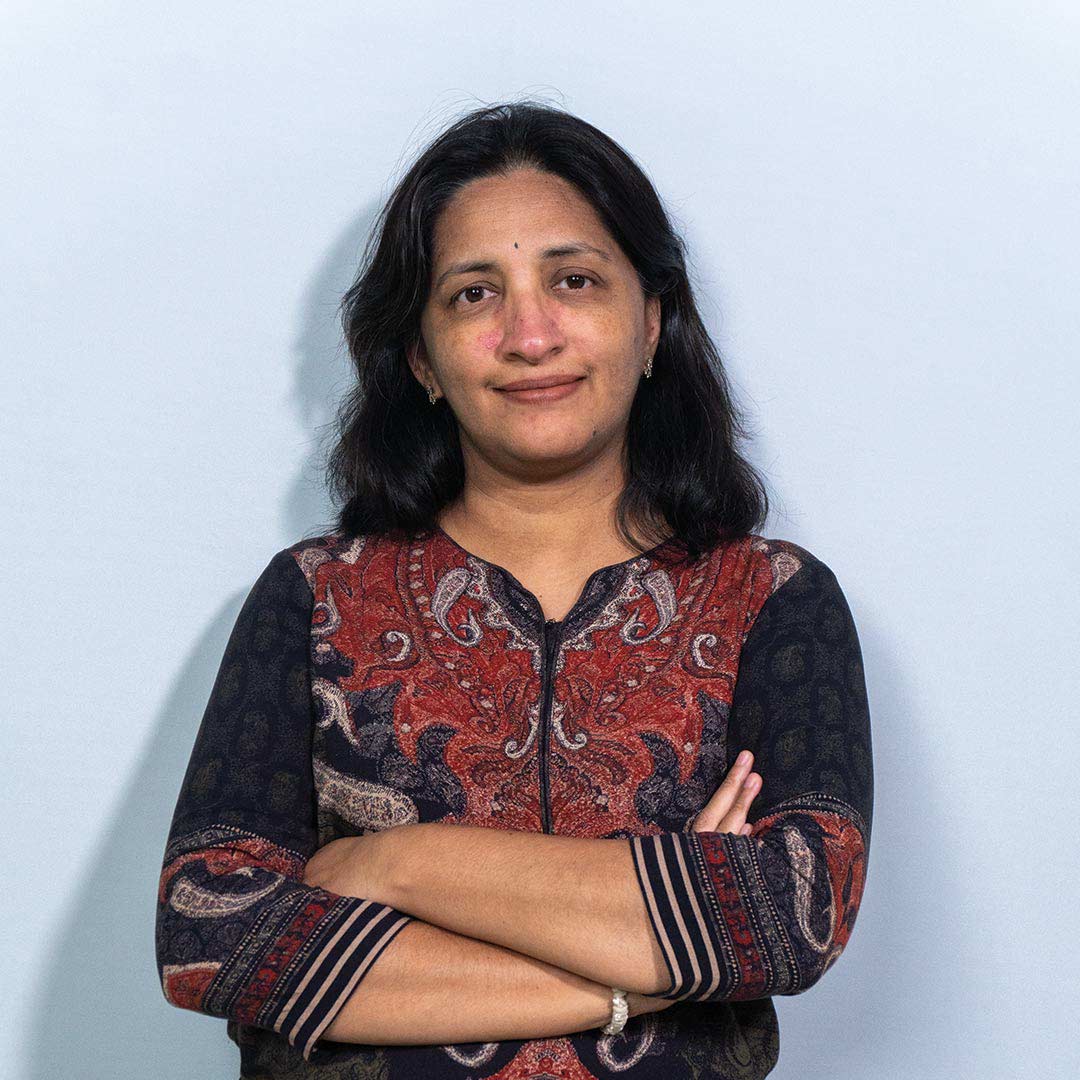
Psychiatrist
Consultant Psychiatrist
21 years of experience
Treats: SLD, Autism Spectrum Disorder, Dementia, Schizophrenia, Bipolar Disorder, OCD, Drug Addiction
View profile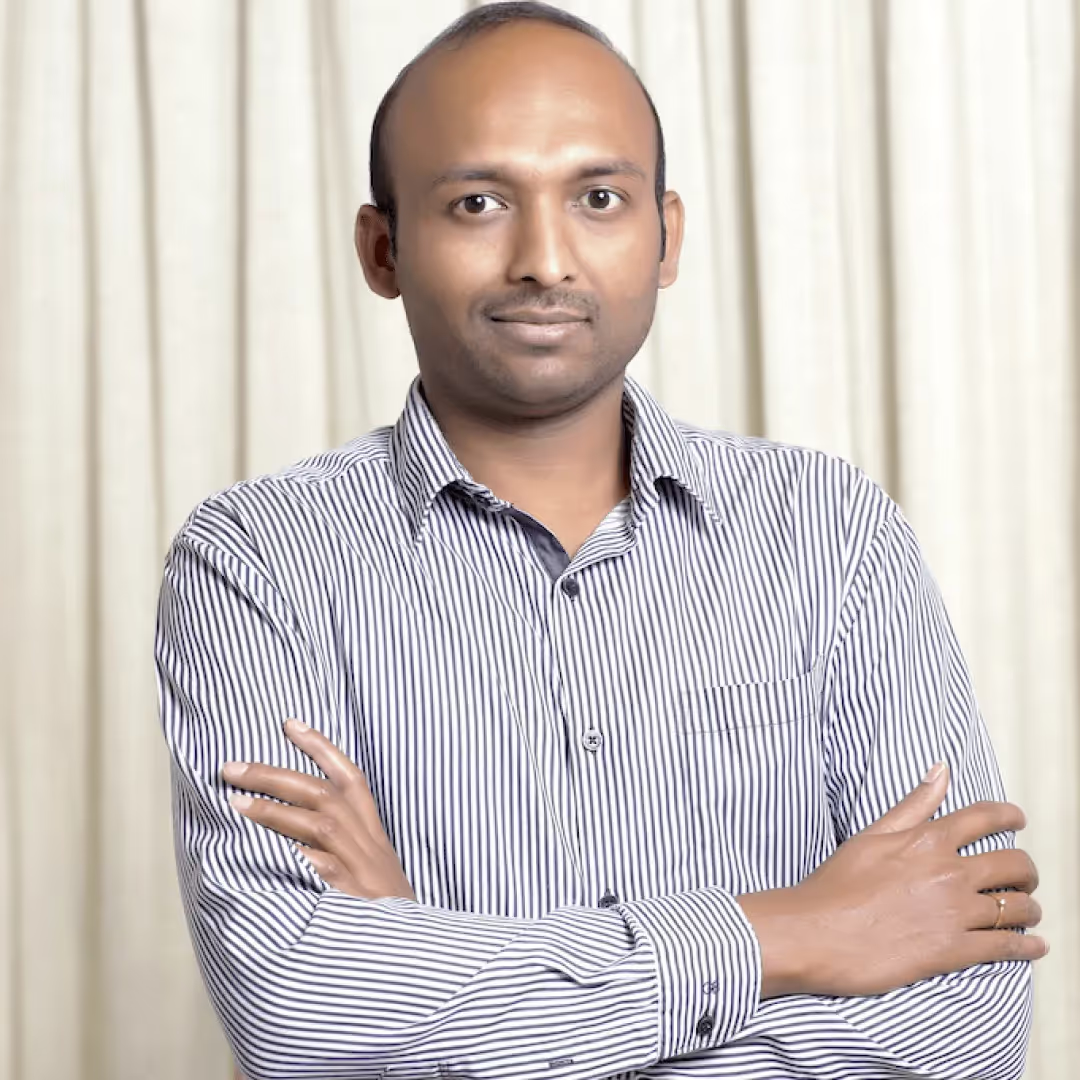
Psychiatrist
Consultant Psychiatrist
15 years of experience
Treats: Drug Addiction, Alcohol Dependence, Dementia, Depression, Bipolar Disorder, OCD, Personality Disorder, Schizophrenia, Autism Spectrum Disorder
View profile
Psychiatrist
Consultant Psychiatrist
7 years of experience
Treats: Depression, Schizophernia, Alcohol Dependence, Bipolar Disorder Drug Addiction, OCD, Personality Disorder
View profile
Psychiatrist
Medical Director
25 years of experience
Treats: Alcohol Dependence, Bipolar Disorder, Dementia, Schizophrenia, Drug Addiction, Personality Disorder, OCD
View profileWhy it happens
Autism Spectrum Disorder (ASD) is caused by a combination of genetic, environmental, and biological factors. Several risk elements contribute to the development of ASD:
Early identification of reasons for autism can aid in prompt diagnosis and personalised intervention strategies.
Free resource
Understand the various aspects of this condition
Download now
How it presents
Autism was once classified into multiple subtypes—such as Autistic Disorder, Asperger’s Syndrome, Childhood Disintegrative Disorder, and PDD-NOS (Pervasive Developmental Disorder – Not Otherwise Specified)—based on specific patterns of symptoms and development. However, these distinctions have been consolidated into a single diagnosis known as Autism Spectrum Disorder (ASD), acknowledging the diverse array of autism symptoms and levels of ability within the spectrum.
Asperger’s Syndrome is a form of autism that typically involves challenges with social interaction and understanding nonverbal cues, along with a strong preference for routines and highly focused interests. However, unlike other forms of ASD, individuals with Asperger's typically do not have significant delays in language or cognitive development.
PDD-NOS (Pervasive Developmental Disorder – Not Otherwise Specified) was a term once used for individuals who showed some characteristics of autism or Asperger’s, but didn’t meet the full diagnostic criteria for either condition. This category is used for those with significant social and communication challenges that don’t fully align with the definitions of other conditions on the spectrum.
Classic Autism, known as Autistic Disorder, involves marked impairments in social interaction, communication challenges, and a tendency towards repetitive behaviours and interests. This form of autism is usually identified in early childhood and includes a wide range of functional levels, from severely affected to high-functioning individuals.
Childhood Disintegrative Disorder is a rare condition characterised by late onset (typically after three years of age) of developmental delays in language, motor skills, and social function. Children with this disorder show normal development initially and then a significant loss of previously acquired skills.
Rett syndrome is a rare genetic neurological disorder that occurs almost exclusively in girls. It leads to severe impairments, affecting nearly every aspect of the child's life: their ability to speak, walk, eat, and even breathe easily. The disorder's progression includes a period of regression followed by recovery or stabilisation.
Embark on a journey toward a brighter future with Autism Spectrum Disorder through Cadabam's comprehensive support and interventions. Cadabam's is renowned for its multidisciplinary team of specialists, including therapists, psychologists, counsellors, and educators, who collaboratively create tailored intervention plans. The centre embraces cutting-edge therapies and innovative strategies for addressing the challenges faced by people with ASD. With a strong focus on enhancing communication, social skills, and behavioural development, Cadabam's commits to improving the quality of life and independence of those it serves.
If you are searching for a solution to your problem, Cadabam’s Rehabilitation Centre can help you with its team of specialised experts. We have been helping thousands of people live healthier and happier lives for 33+ years. We leverage evidence-based approaches and holistic treatment methods to help individuals effectively manage autism spectrum disorder. Get in touch with us today. You can call us at +91 96111 94949.
Podcast & video
Our centres
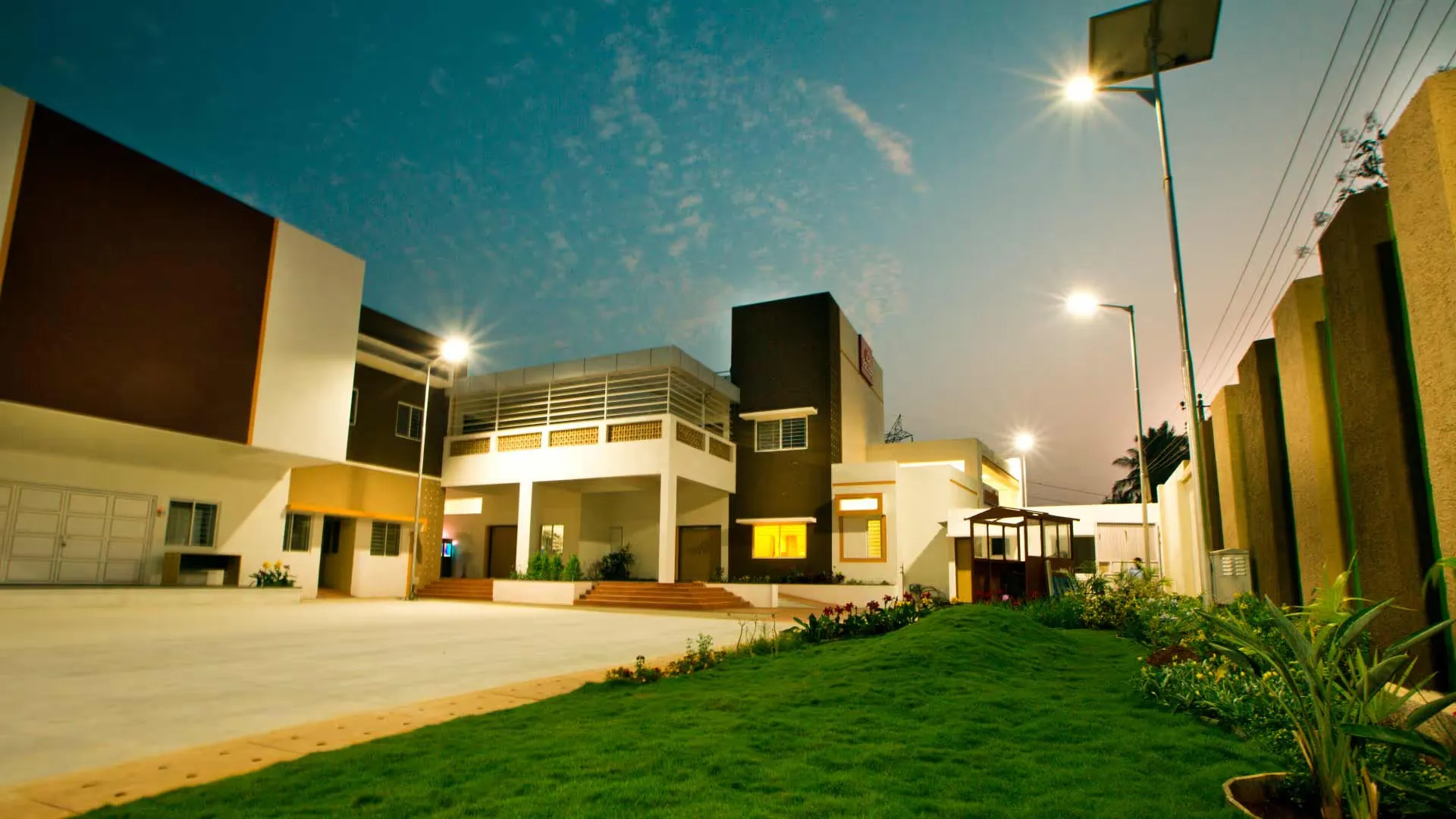
Our Specialised De-Addiction Centre in Bangalore
Read more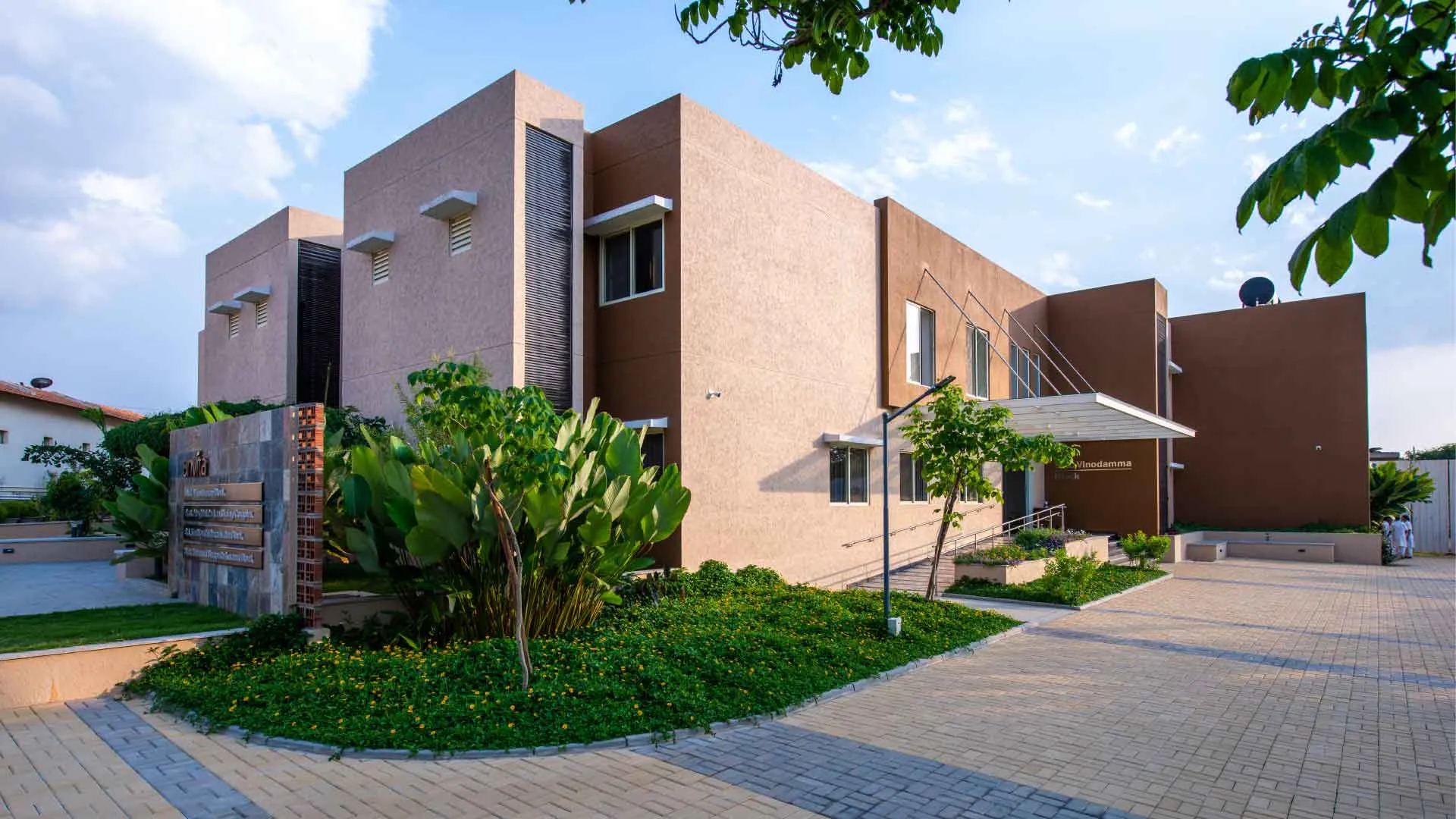
Long-Term Rehabilitation Center in Bangalore, India
Read more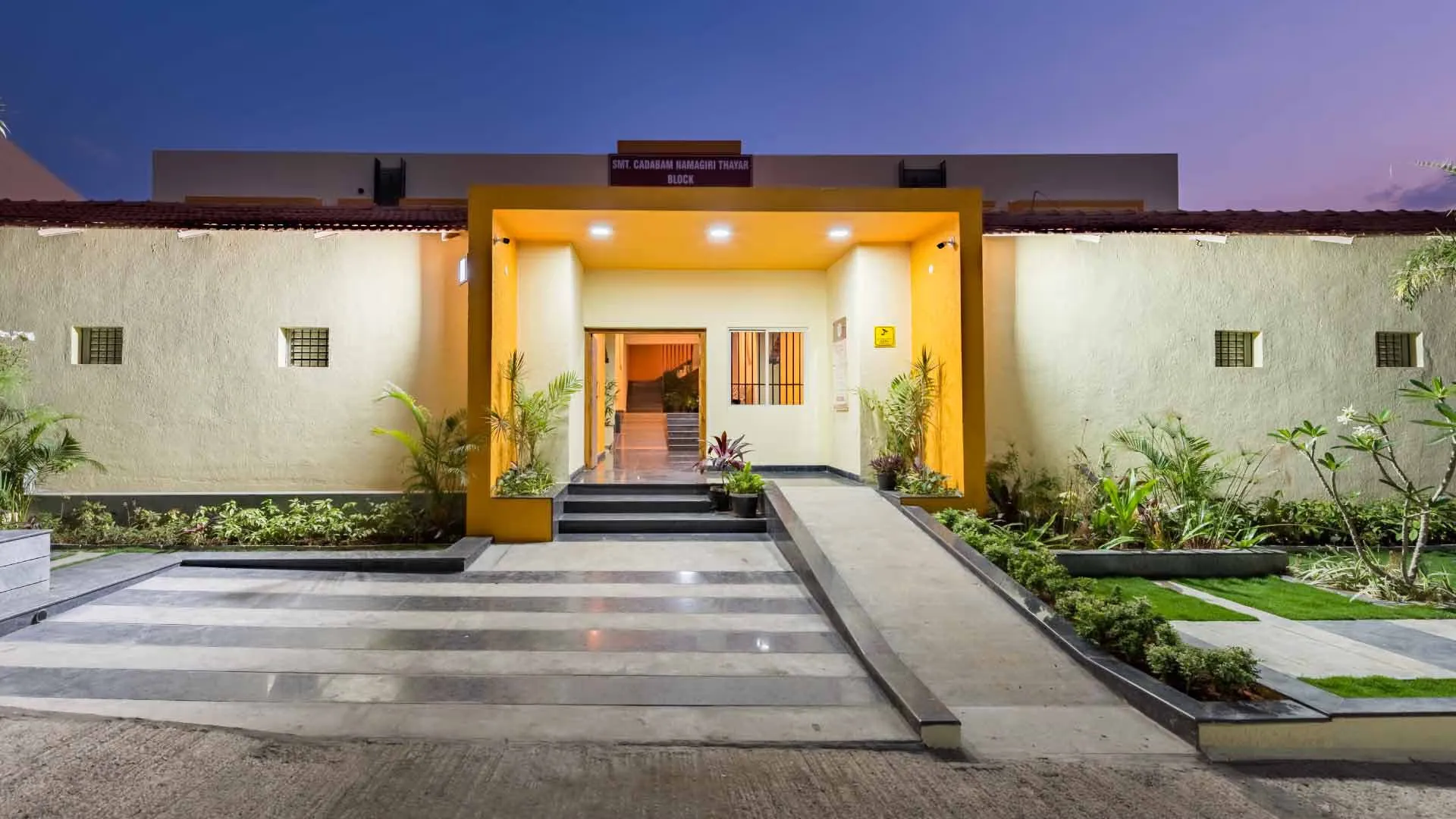
Advanced Psychiatric Rehab Centre in Bangalore
Read more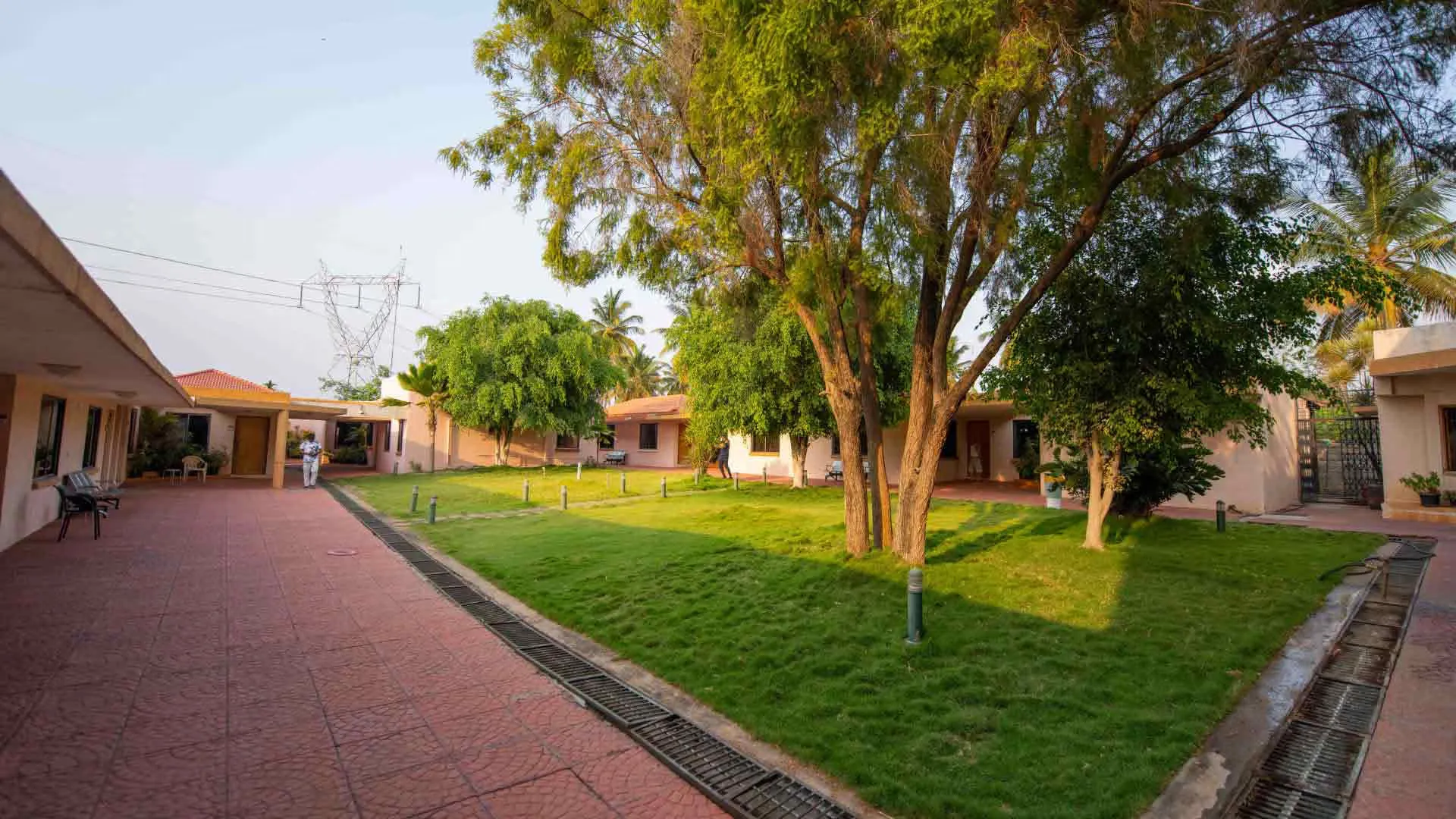
Luxury Rehabilitation Center in Bangalore, India
Read more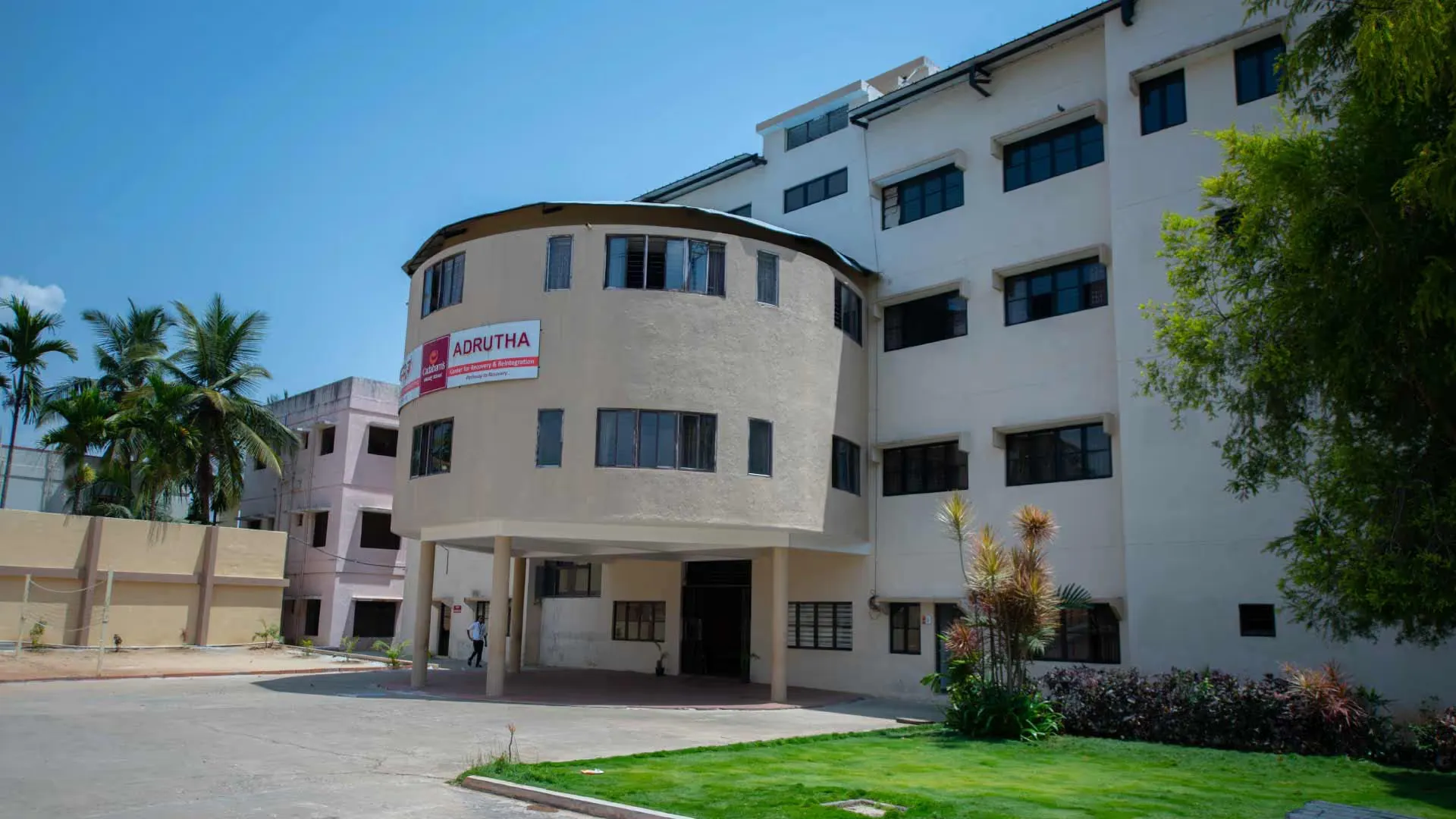
Our Affordable Rehab Centre in Bangalore
Read more
Our Advanced Mental Health Rehab Centre In Hyderabad
Read more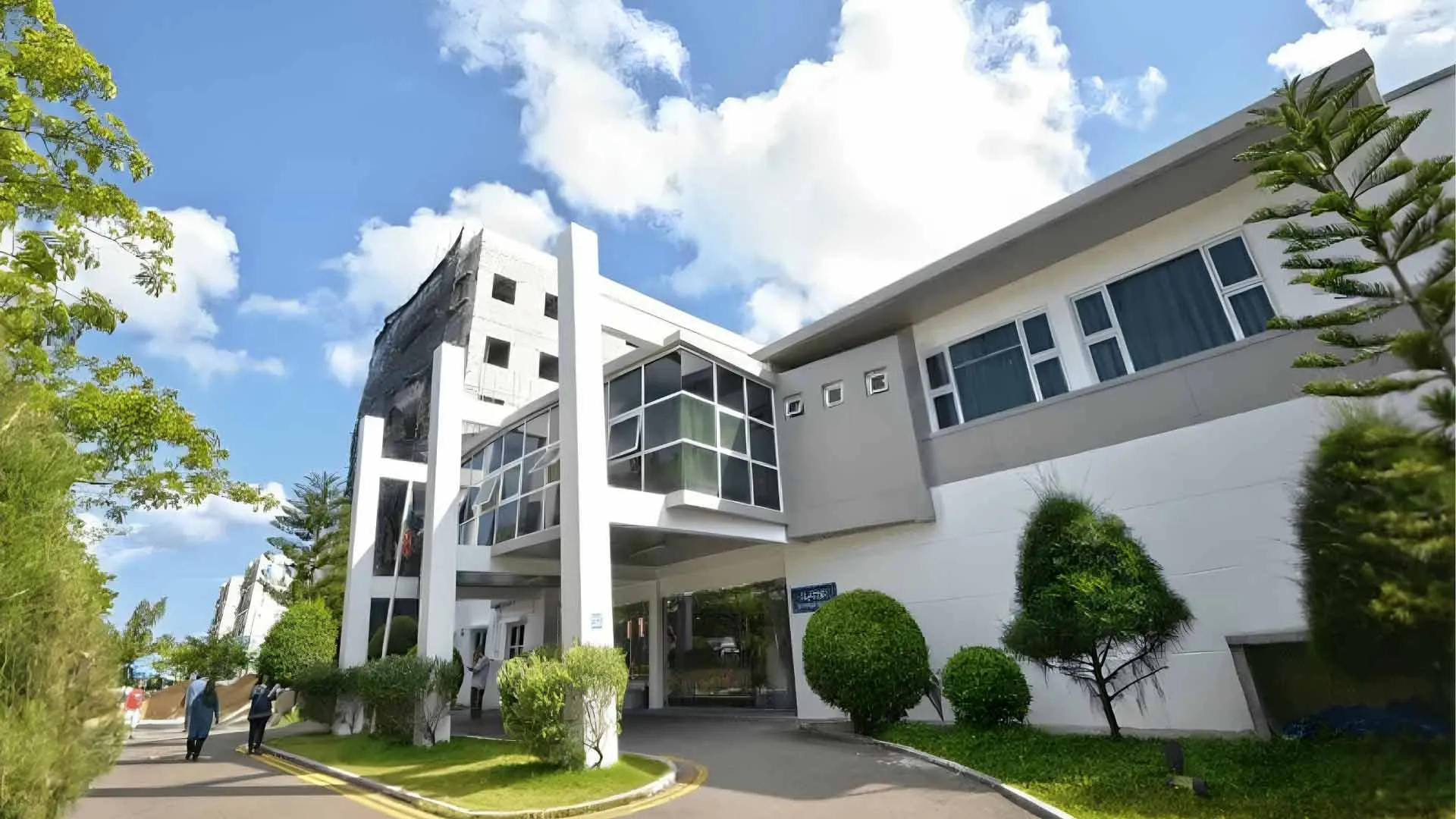
Premier Mental Health & Rehabilitation Centre in Maldives
Read moreGood to know
Diagnosing Autism Spectrum Disorder involves a comprehensive evaluation by specialists, including developmental paediatricians, psychiatrists, and psychologists. This process includes observing behaviour, assessing social and communication skills, and reviewing developmental history. Autism diagnosis may also involve cognitive and language assessments to understand the individual's strengths and challenges, providing a basis for tailored support and interventions. Recognising autism symptoms early improves access to effective autism spectrum disorder treatment.
Good to know
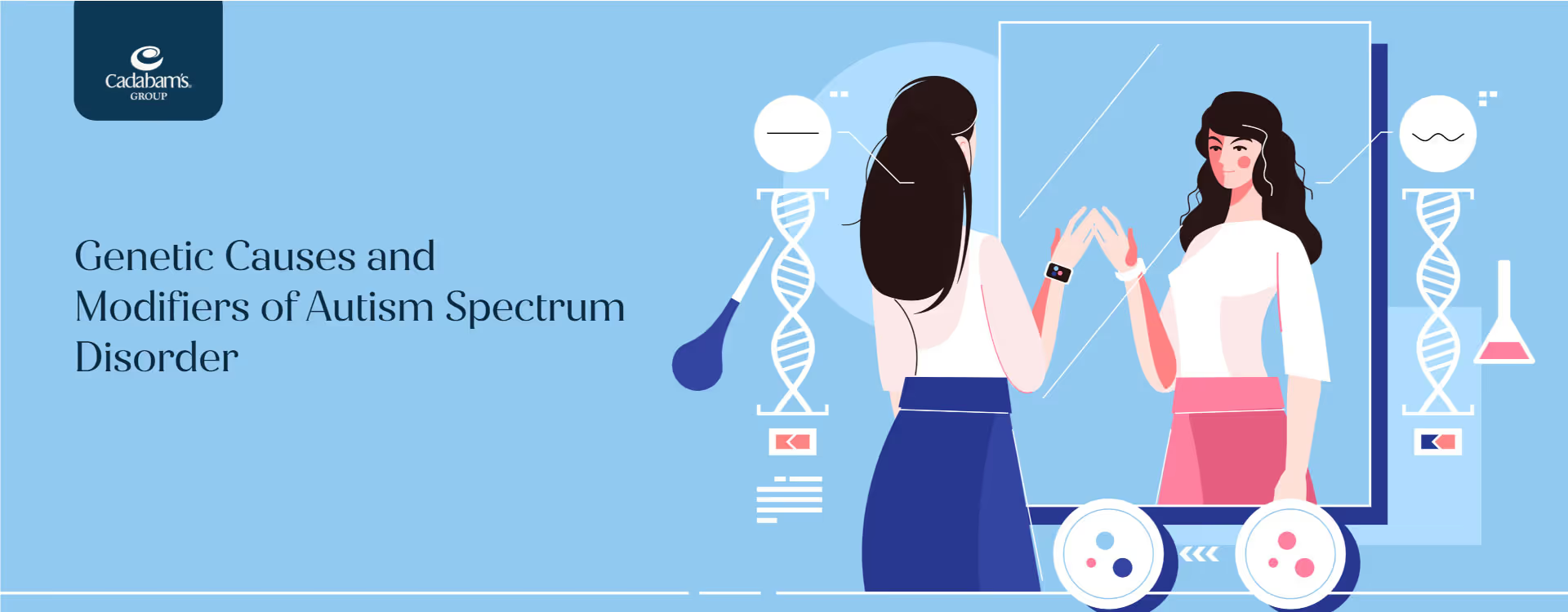
Risk factors for Autism Spectrum Disorder include genetic predispositions, such as family history of ASD, environmental factors like prenatal exposure to toxins, and biological aspects, including advanced parental age at the time of conception. Premature birth and low birth weight have also been identified as contributing factors.
Recognising these reasons for autism can aid in the prompt identification and intervention.
Good to know
It's advisable to consult a doctor if a child shows delayed speech or social milestones, lacks eye contact, engages in repetitive behaviours, or has a regression in developmental skills. Seeking early consultation can result in early autism diagnosis and intervention, which are critical for improving outcomes and support for individuals with ASD. A doctor can conduct detailed developmental assessments, identify autism symptoms accurately, and guide families toward appropriate autism spectrum disorder treatment and Autism therapy options.
How we help
Treatment for ASD is personalised, focusing on improving communication and social skills and reducing behavioural challenges. It may include behavioural therapy, speech and occupational therapy, and educational support. As a result, autism medications can be prescribed for associated symptoms such as anxiety or ADHD. Rehabilitation for autism aims to enhance functioning and independence, relying on a multidisciplinary approach to cater to the diverse needs of individuals with ASD. The question is, can autism be cured completely? Remains uncertain whether early and consistent therapies significantly improve the quality of life.
Emergency service
Find nearest mental health center now

33+ years of focused mental healthcare, shaped by 1000+ real patient journeys.

State of the art mental health centres built for treatment and recovery.

A coordinated team of psychiatrists, psychologists, counsellors, and rehabilitation specialists supporting your care.

Support from early signs through treatment and recovery.

Treatment guided by clear plans that continue beyond diagnosis.

Planned follow ups and continued guidance to help maintain progress over time.
Inside our centres
FAQs
Patient journeys
Voices of Resilience
Paranoid Schizophrenia - Seeta's Story
Depression due to Abortion and Paranoid Schizophrenia
Read story →Voices of Resilience
Comorbid Disorders - Akash's Story
OCD, Bipolar and Substance Abuse Disoder along with Tic Disorder
Read story →Voices of Resilience
Bipolar Affective Disoder - Meena's Story
Depression, Bipolar Affective Disorder, and Obsessive Compulsive Disorder
Read story →Voices of Resilience
Borderline Personality Disorder - Sumadhra's Story
Emotionally Unstable with Borderline Personality Disorder
Read story →Voices of recovery
I did not even know Autism was a disorder. But, when the psychiatrist diagnosed my son with ASD, it was terrifying. There are very few good mental health centers in North India. We had to search across the country and we finally discovered Cadabams. They helped my son so much.
— Jackson Pakh
My younger brother had ASD. It was distressing to see him struggle everyday. But, Cadabams helped him navigate the stress of everyday life and helped him grow as a person. He is now able to fully enjoy life and realize his potential.
— Rishikesh Verma
My son is so brilliant but he has faced so many difficulties. Autism made it very difficult for him to interact with others. Cadabam's helped him cope with ASD better and helped us as a family meet more families who were going through the same. It is such a wonderful support system. Thank you Cadabams.
— Sandesh Sharma
Further reading
Care pathways
Psychiatrist care for Autism Spectrum Disorder with personalised assessment, treatment planning, and ongoing support from experienced specialists.
Learn morePsychologist care for Autism Spectrum Disorder with personalised assessment, treatment planning, and ongoing support from experienced specialists.
Learn moreTherapist care for Autism Spectrum Disorder with personalised assessment, treatment planning, and ongoing support from experienced specialists.
Learn moreLooking for the best counselor for Autism Spectrum Disorder in Bangalore? Get expert consultation, symptom management, and confidential clinical care.
Learn moreSeeking Autism Spectrum Disorder rehabilitation treatment? Our evidence-based care supports stability, independence, and sustained recovery for your loved one through specialised programmes.
Learn moreSpecialised treatment center for Autism Spectrum Disorder offering psychiatric consultation, diagnosis, medication management, and therapy for long-term symptom stability.
Learn moreSpecialised Autism Spectrum Disorder treatment center in Bangalore offering psychiatric diagnosis, medication management, and therapy to support long-term symptom stability.
Learn moreDiscover trusted autism treatment in Bangalore. Expert care for your loved one's well-being. Learn more about effective therapies and support.
Learn moreCounselor care for Autism Spectrum Disorder with personalised assessment, treatment planning, and ongoing support from experienced specialists.
Learn moreCadabam's offers effective Autism Spectrum Disorder Treatment in Hyderabad. Our facilities are focused on giving you a home-like environment.
Learn moreComprehensive rehabilitation programs for Autism Spectrum Disorder with personalised treatment plans, therapy, and long-term aftercare support.
Learn moreHelpline at your fingertips
+91 9611194949