Psychiatrist
Dr. Thejus Kumar B R
Consultant Psychiatrist
6 years of experience
Treats: Schizophrenia, Personality Disorder, OCD, Dementia, Autism, Drug Addiction
View profileAlcohol Dependence is a serious medical condition that impacts a person's thoughts, emotions, and ability to function in daily life. It is characterised by a strong, often uncontrollable, desire to drink. If you or a loved one is seeking professional support, this page is your guide to finding the right counselor consultation and clinical care for Alcohol Dependence. At Cadabam’s, we provide compassionate and effective care from trusted mental healthcare specialists.
Good to know
Yes, Alcohol Dependence can be effectively managed with professional care from specialised counselors. While a formal diagnosis might involve a psychiatrist, a counselor plays a crucial role in the process.
They conduct comprehensive assessments to understand your condition, help create a personalised treatment plan, deliver psychotherapeutic interventions, and provide the ongoing support necessary for long-term recovery. The focus is on management and improving your quality of life, not on quick fixes.

Meet the clinicians
Psychiatrist
Consultant Psychiatrist
6 years of experience
Treats: Schizophrenia, Personality Disorder, OCD, Dementia, Autism, Drug Addiction
View profile
Psychiatrist
Consultant Psychiatrist
15 years of experience
Treats: Schizophrenia, Alcohol Dependence, Bipolar Disorder, Depression, Drug Addiction, OCD, Personality Disorder, Autism Spectrum Disorder, Dementia, SLD
View profile
Psychiatrist
Consultant Psychiatrist
21 years of experience
Treats: SLD, Autism Spectrum Disorder, Dementia, Schizophrenia, Bipolar Disorder, OCD, Drug Addiction
View profile
Psychiatrist
Consultant Psychiatrist
7 years of experience
Treats: Depression, Schizophernia, Alcohol Dependence, Bipolar Disorder Drug Addiction, OCD, Personality Disorder
View profile
Psychologist
Chief Clinical Executive
14 years of experience
Treats: Drug Addition, Alcohol Dependence, Schizophrenia, Bipolar Disorder, Personality Disorder, Dementia, Depression
View profileGood to know
Cadabam’s offers the best treatment options for alcohol addiction. This includes services ranging from outpatient services, in-patient services, and rehabilitation. We offer proven and tailor-made treatment programs for alcohol addiction that have helped countless individuals recover from the disorder.

33+ years of focused mental healthcare, shaped by 1000+ real patient journeys.

State of the art mental health centres built for treatment and recovery.

A coordinated team of psychiatrists, psychologists, counsellors, and rehabilitation specialists supporting your care.

Support from early signs through treatment and recovery.

Treatment guided by clear plans that continue beyond diagnosis.

Planned follow ups and continued guidance to help maintain progress over time.
Good to know
An experienced counselor for Alcohol Dependence is a vital part of the recovery team. Their role is multifaceted and patient-centric. They begin by assessing the individual's symptoms, drinking patterns, and the impact of alcohol on their life. Based on this, they collaborate with the patient to create a structured treatment plan.
This plan includes various therapeutic interventions, such as cognitive-behavioral therapy (CBT) or motivational interviewing, designed to change harmful thinking patterns, build coping skills, and support sustained recovery.
Good to know
The clinical care by counselors for Alcohol Dependence begins with a thorough assessment. This is a non-judgmental process designed to understand your unique situation. Methods include:
Our centres

Long-Term Rehabilitation Center in Bangalore, India
Read more
Advanced Psychiatric Rehab Centre in Bangalore
Read more
Our Affordable Rehab Centre in Bangalore
Read more
Our Specialised De-Addiction Centre in Bangalore
Read more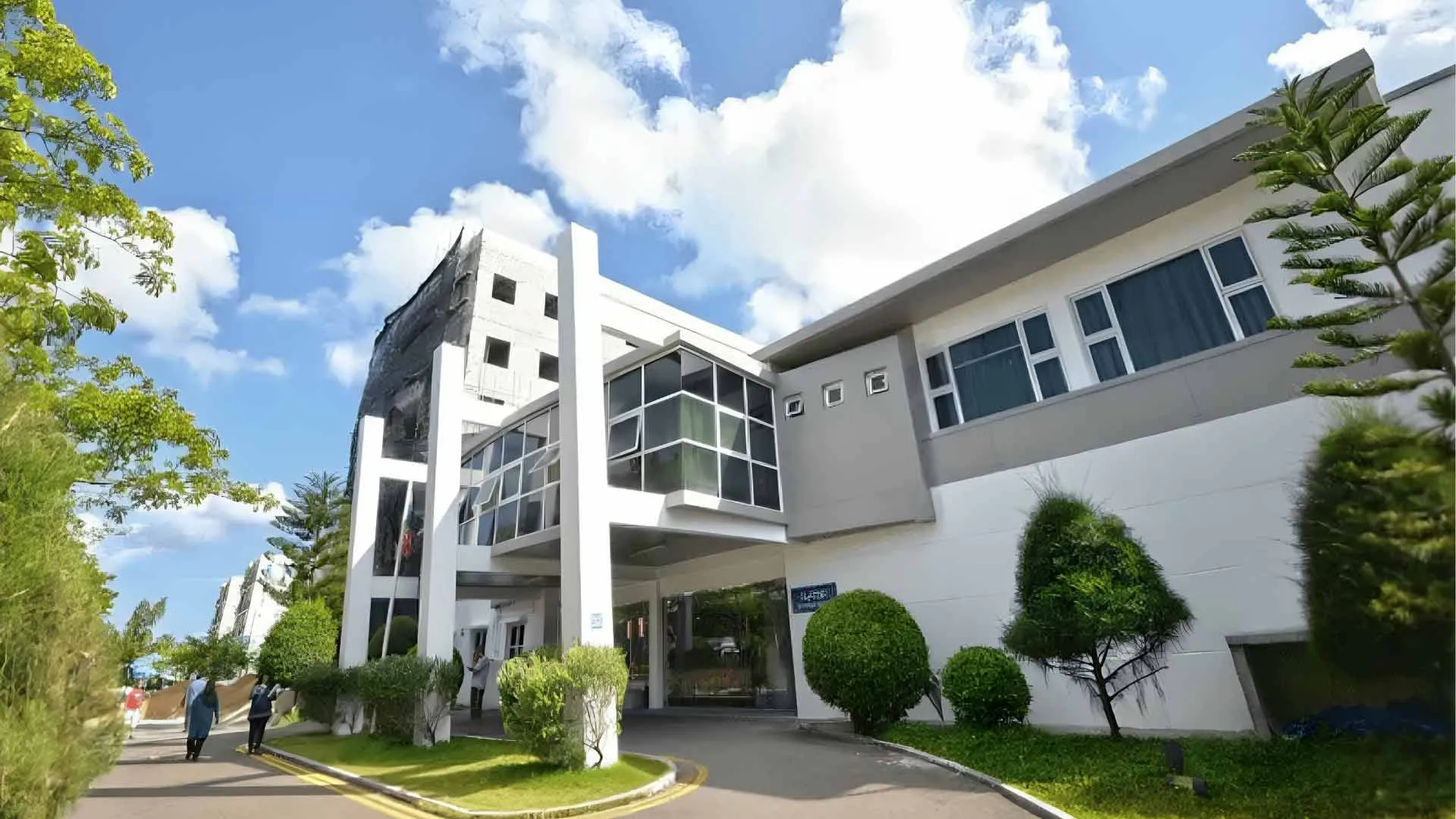
Premier Mental Health & Rehabilitation Centre in Maldives
Read moreGood to know
Counselors treating Alcohol Dependence use a range of evidence-based methods tailored to each individual. The primary goal is to provide comprehensive care that addresses the psychological, behavioural, and social aspects of the condition. Treatment options often include medication management, symptom control, and integrated care for any co-occurring disorders to ensure the best possible outcome.
In some cases, treatment plans developed by a multidisciplinary team may include medication. This is prescribed and managed by a psychiatrist or medical doctor to help control cravings, manage withdrawal symptoms, and reduce the risk of relapse. While counselors primarily provide therapy, they work closely with medical staff to monitor progress and ensure that medication is part of a holistic treatment strategy. Regular medical supervision is essential when medication is involved.
A key role of a counselor is helping individuals manage the acute psychological symptoms associated with Alcohol Dependence, such as anxiety, irritability, and low mood. They also focus on risk management by teaching relapse prevention strategies, identifying triggers, and developing healthy coping mechanisms. If a person's condition requires a more intensive level of care, the counselor will facilitate a referral for services like detoxification or inpatient treatment.
It's common for Alcohol Dependence to exist alongside other mental health conditions like depression, anxiety, or trauma (a "dual diagnosis"). Counselors specialised in Alcohol Dependence are trained to identify and address these co-occurring issues simultaneously. An integrated treatment approach that treats both conditions together is proven to lead to better, more sustainable recovery outcomes and improved overall well-being.
Good to know
Your first appointment is a safe and confidential space to discuss your concerns. The session typically follows a clear flow to help you feel comfortable:
1. Discussion: You will talk about your reasons for seeking help.
2. Assessment: The counselor will ask questions to understand your symptoms and history.
3. Treatment Planning: You will collaboratively discuss potential goals and treatment options.
4. Confidentiality: The counselor will explain your privacy rights.
5. Next Steps: You will decide on a plan for future sessions.
Inside our centres
Good to know
The frequency of your visits to a counselor depends on your individual needs. Initially, sessions may be more frequent (e.g., weekly) to build momentum and manage acute symptoms. As you gain stability, develop coping skills, and make progress toward your goals, the frequency may be reduced to bi-weekly or monthly sessions for ongoing support and relapse prevention.
Good to know
The cost of consulting a counselor can vary based on several factors, including the type of consultation (initial or follow-up), the duration of the session, and the specific interventions required. At Cadabam’s, we are committed to transparency and will provide you with clear information about the costs involved in your personalised care plan.
Good to know
Your privacy and well-being are our top priorities. All counselors for Alcohol Dependence near me at Cadabam’s adhere to strict ethical guidelines and confidentiality laws. We provide a respectful, non-judgmental environment where you can feel safe to share your experiences. Our commitment to ethical practice ensures you receive the highest standard of care.
Podcast & video
FAQs
Voices of recovery
Thanks to Cadabam’s Deaddiction Center, my son has found a new lease on life free from the chains of addiction. Their compassionate support and expert guidance made his recovery journey possible, and I'm forever grateful for the positive impact they've had on our family
— Joseph Vijay
My son made great recovery at the rehabilitation centre, but he was having some problems after discharge. With post-rehabilitation care at Cadabam’s, they ensured that my son identified and dealt with his issues at an early stage. The dedication of the team is really commendable!
— Dhanvantri J
Cadabam’s were quite beneficial against my alcoholism. My life had been absolutely shattered as a result of it. I was able to get my life back on track thanks to a brief program here. Thank you very much.
— Manikantan
Anunitha gives hope, comfort, professional support when you need it the most. Dr. Priya is amazing. As for Ms. Raji, she's outstanding in her depth of understanding and tracking all the residents. Her thoughtful advice has been most valuable. I am very grateful for all the help my family member has received. Thank you!
— Bhanu Chandran
I never realised when my brother started slipping away. We thought it was too late when we realized he was addicted to alcohol. But, the folks at Cadabam’s reassured us, and took such good care of him. Rehabilitation at Anunitha really helped him, and we are grateful to Cadabam’s for bringing him back to us.
— Prithviraj Kumar
Alcohol Addiction had completely taken over my life. I was trying hard to fight it, but sometimes there's nothing you can do. Cadabam’s helped me rediscover my will to fight and their rehabilitation program made me feel healthy again. Thank you Cadabam’s.
— Khushi Sharma
My son had been addicted to alcohol for so long. It had affected his liver and we were really scared that he was going to suffer more. But, the detoxification and alcohol rehabilitation program at Cadabam’s really helped him overcome his addiction. It helped him give up the bottle.
— Vinay Kumar
Watch & learn
Further reading
Helpline at your fingertips
+91 96111 94949