Top Psychologists for Depression

Depression is a serious mental health issue that affects a large number of people all over the world. In fact, over 5% of the world’s adult population is affected by depression. With multiple distressing symptoms like persistent feelings of sadness, loss of interest, apathy, anxiety, threat to life, and more, the disorder needs prompt diagnosis and treatment. Treatment can be prescribed by a mental health professional like a psychologist.

A psychologist is one of the members of a multidisciplinary treatment team for depression. A psychologist is a mental health practitioner who has earned a Ph.D. or M.Phil. in psychology. A psychologist can assist a person on their route to recovery when working with a bigger team.

Can Depression be treated?

Depression is a significant mental health condition that requires expert support to recover from. Depression may be addressed and people can make great improvements with good therapy. Medication and psychotherapy techniques are also options for treating depression. In severe circumstances, hospitalisation and subsequent rehabilitation may be required to speed up a person's recovery.

Top Psychologists for Depression

Our Professionals

Psychologist

Renuka B H

Designation:
Consultant Clinical Psychologist
Experience:
15
Years
Illnesses:
Depression, Schizophrenia, Drug Addiction, Bipolar Disorder, OCD, Personality Disorder, Alcohol Dependence, SLD, Autism Spectrum Disorder
Book Appointment
Psychologist

Smicky Priya Das

Designation:
Clinical Psychologist
Experience:
11
Years
Illnesses:
OCD, Depression, Autism Spectrum Disorder, Dementia, SLD
Book Appointment
Psychologist

Suhita Saha

Designation:
Consultant Clinical Psychologist
Experience:
10
Years
Illnesses:
Depression, Bipolar Disorder, Alcohol Dependence, Dementia, SLD, OCD
Book Appointment
Psychologist

Neha Parashar

Designation:
Consultant Clinical Psychologist
Experience:
10+
Years
Illnesses:
Depression, Personality Disorder, Bipolar Disorder, OCD
Book Appointment
Psychologist

Vijay Shankar

Designation:
Clinical Psychologist
Experience:
6
Years
Illnesses:
Autism Spectrum Disorder, Bipolar Disorder, Dementia, OCD, Personality Disorder, Schizophrenia, SLD
Book Appointment
Psychologist

Aparna Rani

Designation:
Consultant Clinical Psychologist
Experience:
9
Years
Illnesses:
Bipolar Disorder, Dementia, Depression, OCD, Personality Disorder, Schizophrenia, SLD, Autism Spectrum Disorder
Book Appointment

Why Choose Cadabam's for Depression?

It's been three decades. That is how long we have been providing mental healthcare to the community. Depression is a mental illness that may be extremely distressing for both the sufferer and their family. We recognise this, which is why we provide the finest depression treatment available. We offer a wide range of services, including outpatient treatment and rehabilitation.

Illness Feature Icon

Decades of Expertise

33+ years of focused mental healthcare, shaped by 1000+ real patient journeys.

Illness Feature Icon

Dedicated Care Centres

State of the art mental health centres built for treatment and recovery.

Illness Feature Icon

Multidisciplinary Care Team

A coordinated team of psychiatrists, psychologists, counsellors, and rehabilitation specialists supporting your care.

Illness Feature Icon

Experience Across Stages

Support from early signs through treatment and recovery.

Illness Feature Icon

Structured Care Model

Treatment guided by clear plans that continue beyond diagnosis.

Illness Feature Icon

Continuity of Care

Planned follow ups and continued guidance to help maintain progress over time.

Who is a Psychologist?

A psychologist is a skilled mental health expert focused on grasping and addressing human behavior and thought processes. They use numerous evidence-backed methods and therapies to assist people in managing emotional difficulties, dealing with stress, and enhancing their overall well-being. With their expertise in psychological assessment and intervention, psychologists provide valuable insights, support, and guidance to promote mental health and personal growth. Organisations like Cadabam's could be your best option when seeking professional assistance.

We are known for our team of highly qualified and experienced psychologists committed to delivering the best possible care for our clients.

What Are the Qualifications of Psychologists for Depression?

Psychologists specialising in depression typically possess extensive qualifications to provide effective care. These professionals often hold advanced degrees, such as a Ph.D. or M.Phil. in Clinical Psychology, enabling them to diagnose and treat various mental health disorders, including depression.

With their in-depth knowledge of psychological theories and evidence-based therapeutic approaches, they offer personalised treatment plans tailored to individual needs. At Cadabam's, the team of psychologists comprises highly qualified professionals, many of whom hold PhD or M.Phil. degrees, ensuring that clients receive expert care from dedicated practitioners committed to their well-being.

What Does a Depression Psychologist Do?

A depression psychologist specialises in helping individuals navigate the complexities of depression. They provide assessment, diagnosis, and evidence-based treatments tailored to the unique needs of each person.

These psychologists offer a safe and supportive environment where individuals can explore their thoughts, emotions, and behaviours, working towards understanding the root causes of their depression.

At Cadabam's Group, our dedicated team of psychologists is committed to helping people battling depression overcome the disorder through compassionate care and effective therapeutic interventions.

Does a Psychologist for Depression Also Treat Children and Adolescents?

Yes, a psychologist for depression treats individuals of all ages, including children and adolescents. However, depression manifests differently in younger individuals, requiring specialised approaches.

How Depression Affects Children and Adolescents

Children may display irritability, frequent crying, social withdrawal, or academic decline. Adolescents might show mood swings, low self-esteem, risk-taking behaviours, or self-harm tendencies.

How a Depression Psychologist Helps

A depression psychologist employs various therapeutic approaches to support children and teens in overcoming emotional challenges, including the following:-

  • Cognitive Behavioral Therapy (CBT): Helps children and teens reframe negative thoughts.
  • Play Therapy: Useful for younger children who struggle to express emotions.
  • Family Therapy: Involves parents to improve home support.

If a child or teen exhibits signs of depression, seeking help from a psychologist for depression can provide the right intervention at an early stage.

Our Depression Cente Near You

Difference Between a Psychiatrist, Psychologist, Therapist & Counsellor?

A psychiatrist is a medical professional focusing on the diagnosis and treatment of depression through medication.

A psychologist is a mental health professional with a Ph.D. in psychology, and they use various psychotherapeutic approaches to treat depression.

A therapist and counsellor for depression focuses on using talk therapy and related approaches to treat depression.

Together, these professionals form a multidisciplinary team that ensures comprehensive recovery from depression.

What Diseases Are Treated by a Psychologist?

A psychologist usually treats almost all mental health disorders with the support of other mental health professionals. They customise proven psychological principles and treatment approaches for each illness and individual. The disorders they treat largely fall under the following categories:

Mood Disorders: This category includes issues like depression, bipolar disorder, cyclothymic disorder, and seasonal affective disorder. Talk therapy and CBT are seen to be very effective in treating such conditions.

Psychotic Disorders: These are more serious mental health conditions that can completely incapacitate a person. The illnesses under this include schizophrenia, schizoaffective disorder, and substance-induced psychosis.

Approaches like psychosocial therapy, CBT, peer-to-peer counselling, and more are effective in treating such conditions.

Addiction Issues: Substance use disorders related to drugs or alcohol can be treated through psychotherapy. Psychologists play a crucial role in individuals developing coping strategies that help reduce and completely stop the consumption of the substance.

Psychologists usually facilitate support groups and group therapy for individuals with schizophrenia to accelerate recovery.

Dementia And Related Illnesses: Psychologists play a crucial role in the rehabilitation of individuals with various types of dementia, including Alzheimer’s. They use techniques like cognitive retraining and recall therapy to ensure effective recovery in elderly individuals.

Pediatric Mental Health Issues: Psychologists help children who face disorders like ADHD, Autism Spectrum Disorder (ASD), and Specific Learning Disabilities (SLD) cope with their symptoms while also using approaches like Occupational Therapy (OT) to ensure children are able to live a wholesome life.

What to Consider When Choosing Your Depression Psychologist

Choosing the right depression psychologist is key to effective treatment. Here are important factors to consider:

Qualifications and Experience of a Depression Psychologist

Make sure the depression psychologist holds an M.Phil. or Ph.D. in Clinical Psychology and is properly licensed. Experience in treating both mild and severe depression is essential.

Therapy Approaches Used by a Psychologist for Depression

Psychologists for depression often specialise in different therapeutic methods, such as:

  • CBT: Helps reframe negative thought patterns.
  • Interpersonal Therapy (IPT): Focuses on improving relationship skills.
  • Psychodynamic Therapy: Explores past experiences that shape emotions.

Comfort and Communication with Your Psychologist for Depression

It's vital to find a psychologist for depression who creates a comfortable, open environment. Look for one who listens attentively, offers non-judgmental support, and tailors the therapy to your unique needs.

Availability and Accessibility of Your Depression Psychologist

Consider whether the psychologist offers in-person or online therapy options. Ensure they have flexible scheduling to accommodate regular sessions, promoting consistency in your treatment.

Taking these factors into account will help you find a psychologist for depression who aligns with your treatment goals.

Emergency service

Find nearest mental health center now

Illness CTA Shape

Facilities & Amenities

How to Prepare for Your First Session with a Psychologist for Depression?

Meeting a depression psychologist for the first time can feel overwhelming, but preparation can ease the process.

Identify Your Symptoms and Concerns Before Seeing a Depression Psychologist

Track your moods, thoughts, and behaviours leading up to therapy. Make a list of symptoms such as persistent sadness, sleep disturbances, or a loss of interest that could indicate the need for help from a psychologist for depression.

Gather Your Medical and Mental Health History

Note any past therapy experiences, diagnoses, and medications. If relevant, share details about any family history of mental health conditions when consulting a depression psychologist.

Set Clear Goals for Your Therapy Sessions

Decide what you hope to achieve in therapy—whether it's learning coping strategies, improving emotional regulation, or gaining better self-awareness with the help of a psychologist for depression.

Prepare Questions to Ask Your Psychologist for Depression

Consider asking your depression psychologist important questions such as:

  • What therapy methods do you use for treating depression?
  • How long does treatment usually take?
  • What can I do between sessions to help with my progress?

Keep an Open Mind During Therapy

The first session with a psychologist for depression is typically focused on assessment and goal-setting. Be honest and open about your emotions to ensure you get the most out of your therapy experience.

By preparing in advance, you can make your first appointment with a psychologist for depression more effective and insightful.

What to Expect During an Appointment With a Psychologist?

During an appointment with a psychologist at Cadabam's, you can expect a safe and confidential space to discuss your thoughts and feelings. The psychologist will typically ask questions to better understand your mental health concerns and work with you to develop a personalised treatment plan for depression.

Depending on your needs, you may engage in talk therapy, behavioural therapy, or other evidence-based treatments. Psychologists may also provide you with tools and strategies to manage your symptoms and improve your overall mental health and well-being.

When to See a Psychologist for Depression?

If you're experiencing symptoms of depression, it's important to consider seeking help from a psychologist. It may be beneficial to see a psychologist for depression when your symptoms persist for an extended period, typically lasting for more than two weeks, and significantly interfere with your daily life and functioning.

If you find yourself feeling constantly sad, hopeless, or experiencing a loss of interest or pleasure in activities you once enjoyed, it may be a sign to seek professional help. Additionally, if you notice changes in your appetite or sleep patterns, difficulty concentrating or making decisions, feelings of worthlessness or guilt, or thoughts of self-harm or suicide, it is crucial to reach out to a psychologist as soon as possible.

Remember, psychologists are trained to diagnose and treat mental health conditions, including depression, and can provide you with the necessary support, guidance, and evidence-based therapies to help you overcome depression and improve your overall well-being.

Subscribe to our newsletter

Find out about centres, daily updates and more about mental health

Thank you! Your submission has been received!
Oops! Something went wrong while submitting the form.
Illness CTA Shape

Listen to Our Expert Insights on Depression

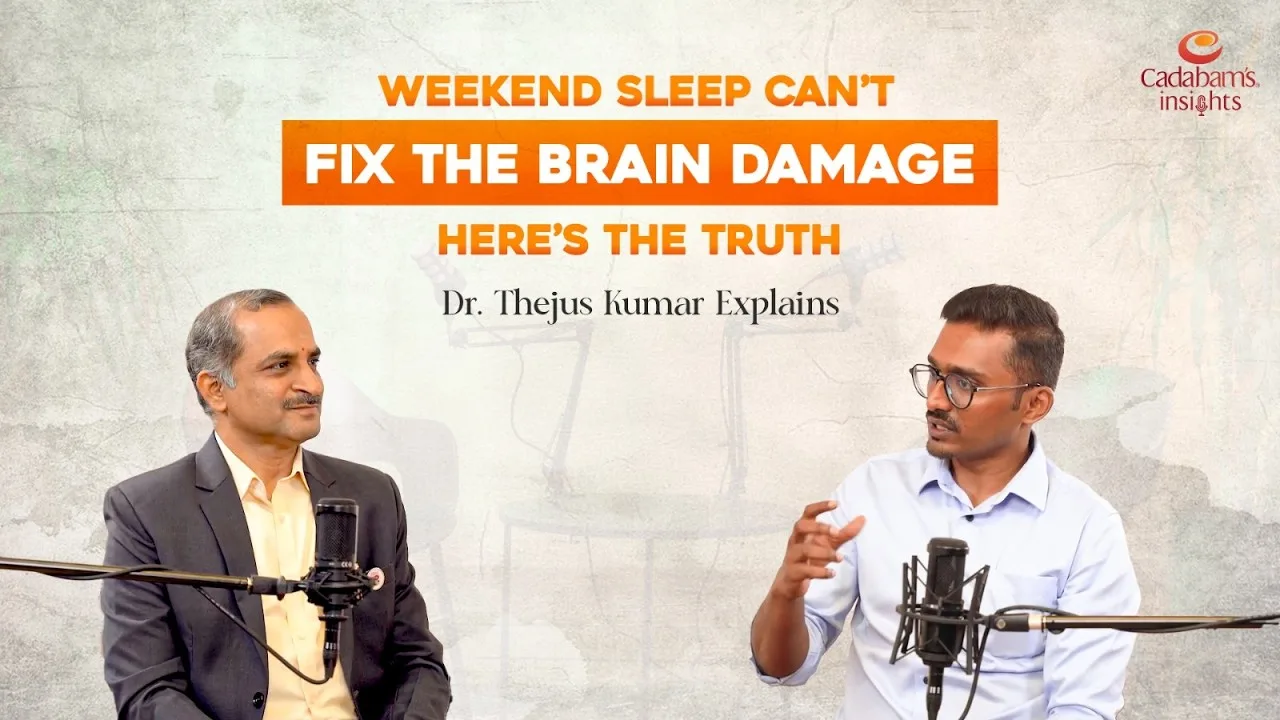
Episode 6

Sleep Isn’t Optional: The Science, Myths & Dangers of Poor Sleep

Frequently Asked Questions

Can Psychologists Cure Depression?

Psychologists cannot "cure" depression in the same way one might cure a physical ailment. However, they can help individuals manage and alleviate symptoms through evidence-based therapies like cognitive-behavioural therapy (CBT), providing tools and strategies to promote recovery, improve coping skills, and enhance overall well-being.

Can Psychologists Do Counselling?

Yes, psychologists can provide counselling services. They are trained professionals who can offer therapeutic interventions, including counselling, to help individuals navigate various mental health challenges, develop coping strategies, explore emotions, improve relationships, and promote overall psychological well-being.

Are All Mental Disorders Treated by Psychologists?

While psychologists are trained to diagnose and treat a wide range of mental disorders, the scope of their practice may vary. They commonly work with disorders such as depression, anxiety, PTSD, and personality disorders, but more severe conditions like schizophrenia may require collaboration with psychiatrists or other mental health professionals for comprehensive treatment.

How Does a Psychologist Diagnose Depression?

To diagnose depression, a psychologist typically conducts a thorough assessment, including clinical interviews, symptom inventories, and observation of behaviour patterns. They take into account how long the symptoms last, their severity, and their overall effect while also reflecting on personal history. Additionally, they refer to the diagnostic guidelines set out in the Diagnostic and Statistical Manual of Mental Disorders (DSM) to arrive at a precise diagnosis.

How to Consult a Depression Psychologist Online?

To consult a depression psychologist online, search for reputable mental health platforms that offer virtual therapy services. Look for licensed psychologists experienced in treating depression. Schedule an appointment through their online platform, ensuring a secure and confidential connection for video sessions, and begin receiving therapy from the comfort of your own home.

What Are Some Subspecialties of Psychology?

While psychologists are equipped to treat all kinds of mental illnesses, some of them may choose to specialise in treating certain types of disorders or specific illnesses. Some of the specialities within clinical psychology can largely be categorised:

  • Clinical Neuropsychology
  • Clinical Health Psychology
  • Clinical Child and Adolescent Psychology
  • Counselling Psychology
  • Behavioural and Cognitive Psychology

Our Testmonials

James Verghese

Depression is such a difficult situation to face. My family was so supportive through my recovery journey. But, I must give special credit to the team at Cadabams, who took such good care of me at their rehabilitation centre. Thank you for helping me return to my life.

Bharat Bhargav

My daughter was suffering from Depression. She had tried to hurt herself as well. The entire family was scared. The staff and doctors at Cadabams were so understanding. They really seemed to care about our daughter, and we felt a little peaceful after she began rehab at Cadabams. She is slowly but surely making significant recovery and we couldn't be happier.

Devika Sharma

I never thought depression could happen to me. I always thought of myself as a happy person. But, slowly I started noticing the changes. I was no longer finding joy in life and most of my time would be spent having really dark thoughts. It got so bad that I had to choose rehabilitation. Rehabilitation at Cadabams was so effective. It helped me recover and gave me the confidence that I could fight the dark thoughts if they ever returned. Thank you so much Cadabams!

Watch Our Visual Stories

What is Borderline Personality Disorder?
What is the treatment of Alcohol Dependence?
How to Deal with a Break Up? | Mental Health and Relationships
What is Dementia?
How to Overcome OCD?
Is depression a disease?
Whatsapp IconCall Iocn
close