
Psychiatrist
Dr. Thejus Kumar B R
Consultant Psychiatrist
6 years of experience
Treats: Schizophrenia, Personality Disorder, OCD, Dementia, Autism, Drug Addiction
View profileRehabilitation programs for dementia offer structured, long-term care pathways dedicated to supporting individuals and their families through the challenges of this progressive condition. These programs are designed not to cure, but to manage symptoms, preserve functional abilities for as long as possible, and significantly improve the quality of life for the person with dementia. This guide is for families, caregivers, and individuals seeking comprehensive, program-based care. At Cadabam’s, we leverage our extensive experience in mental healthcare to provide compassionate and effective dementia care.
Good to know
In the context of dementia care, a rehabilitation program moves beyond simple outpatient consultations or short hospital stays. It is a comprehensive, residential approach focused on sustained management and support.
These structured programs are essential for managing behavioural and psychological symptoms, slowing cognitive decline where possible, and helping individuals maintain a sense of purpose and daily function. They provide a safe, supervised environment that reduces caregiver stress and prevents crises.
Meet the clinicians
Psychiatrist
Consultant Psychiatrist
6 years of experience
Treats: Schizophrenia, Personality Disorder, OCD, Dementia, Autism, Drug Addiction
View profile
Psychiatrist
Consultant Psychiatrist
15 years of experience
Treats: Schizophrenia, Alcohol Dependence, Bipolar Disorder, Depression, Drug Addiction, OCD, Personality Disorder, Autism Spectrum Disorder, Dementia, SLD
View profile
Psychiatrist
Consultant Psychiatrist
21 years of experience
Treats: SLD, Autism Spectrum Disorder, Dementia, Schizophrenia, Bipolar Disorder, OCD, Drug Addiction
View profile
Psychiatrist
Consultant Psychiatrist
7 years of experience
Treats: Depression, Schizophernia, Alcohol Dependence, Bipolar Disorder Drug Addiction, OCD, Personality Disorder
View profileGood to know
Choosing a care provider is a significant decision. Cadabam’s has a long-standing legacy in specialised mental healthcare, including dementia. Our approach is defined by: Multidisciplinary Teams: Geriatric psychiatrists, psychologists, nurses, occupational therapists, and trained caregivers work collaboratively. Personalised Program Design: We understand that every individual's journey with Continuity of Care: Our programs provide seamless support through different stages of the condition. Focus on Quality of Life: Our philosophy centres on preserving dignity, promoting engagement, and ensuring comfort and safety.

33+ years of focused mental healthcare, shaped by 1000+ real patient journeys.

State of the art mental health centres built for treatment and recovery.

A coordinated team of psychiatrists, psychologists, counsellors, and rehabilitation specialists supporting your care.

Support from early signs through treatment and recovery.

Treatment guided by clear plans that continue beyond diagnosis.

Planned follow ups and continued guidance to help maintain progress over time.
Good to know
A structured rehabilitation program can be life-changing for individuals and their families. It is particularly beneficial for those who are:
These programs offer a supportive solution when family concerns about safety and quality of care become paramount.
How it presents
We offer multiple program formats to match the different stages and needs associated with dementia, ensuring that each resident receives the appropriate level of care.
This program focuses on stabilisation during a period of acute change or crisis. The primary goals are to manage challenging behaviours, adjust medication, address any concurrent medical issues, and establish a safe routine. It is ideal for individuals recovering from an illness or when caregivers need respite and professional support to manage a difficult phase.
Designed for individuals who require ongoing, 24/7 care, this program focuses on long-term quality of life. Key elements include sustained symptom management, support with daily living activities, cognitive stimulation, and social engagement. It is suitable for individuals in the moderate to advanced stages of dementia, providing a secure and nurturing home.
We offer integrated care for individuals who have dementia alongside a co-occurring condition, such as a substance use disorder or another psychiatric illness. Our teams create a unified treatment plan that addresses both conditions simultaneously, which is critical for stabilising mood, behaviour, and overall health in a coordinated manner.
Instead of focusing on employment, this program is dedicated to preserving existing skills and promoting engagement. Through structured activities, occupational therapy, and cognitive stimulation, we help individuals maintain functional abilities like self-feeding or participating in hobbies. This builds confidence and provides a sense of purpose, slowing functional decline.
Our centres
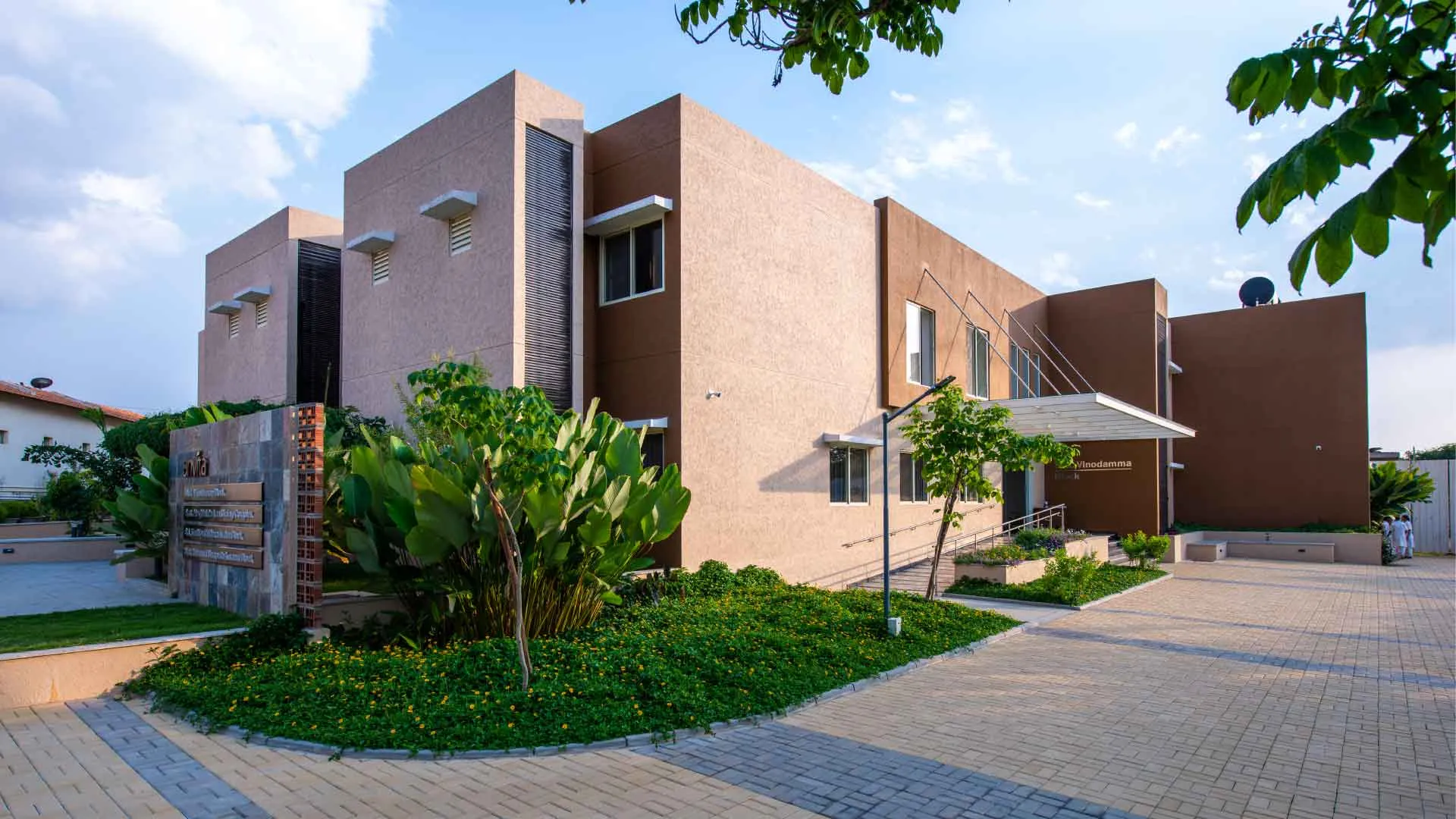
Long-Term Rehabilitation Center in Bangalore, India
Read more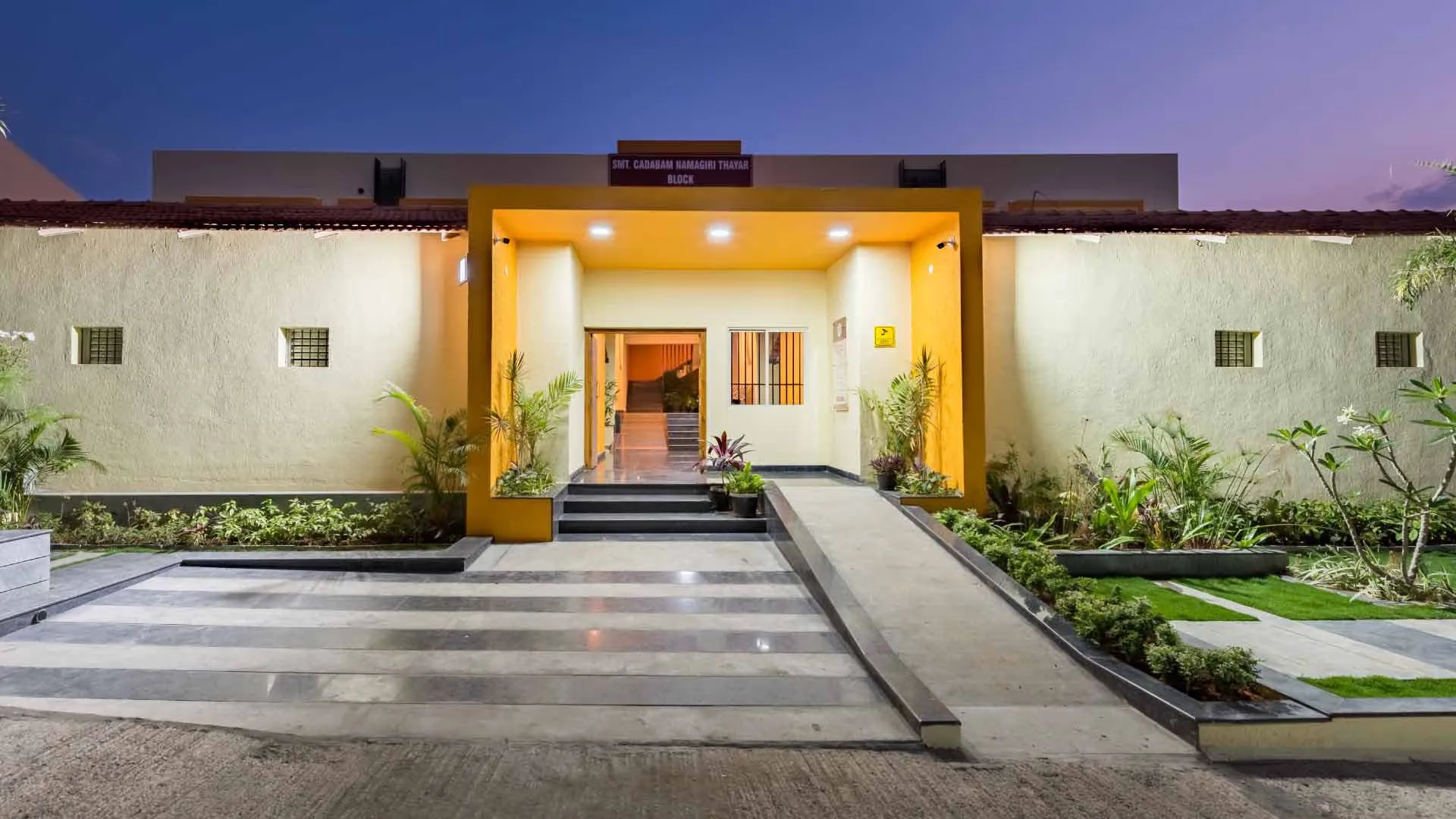
Advanced Psychiatric Rehab Centre in Bangalore
Read more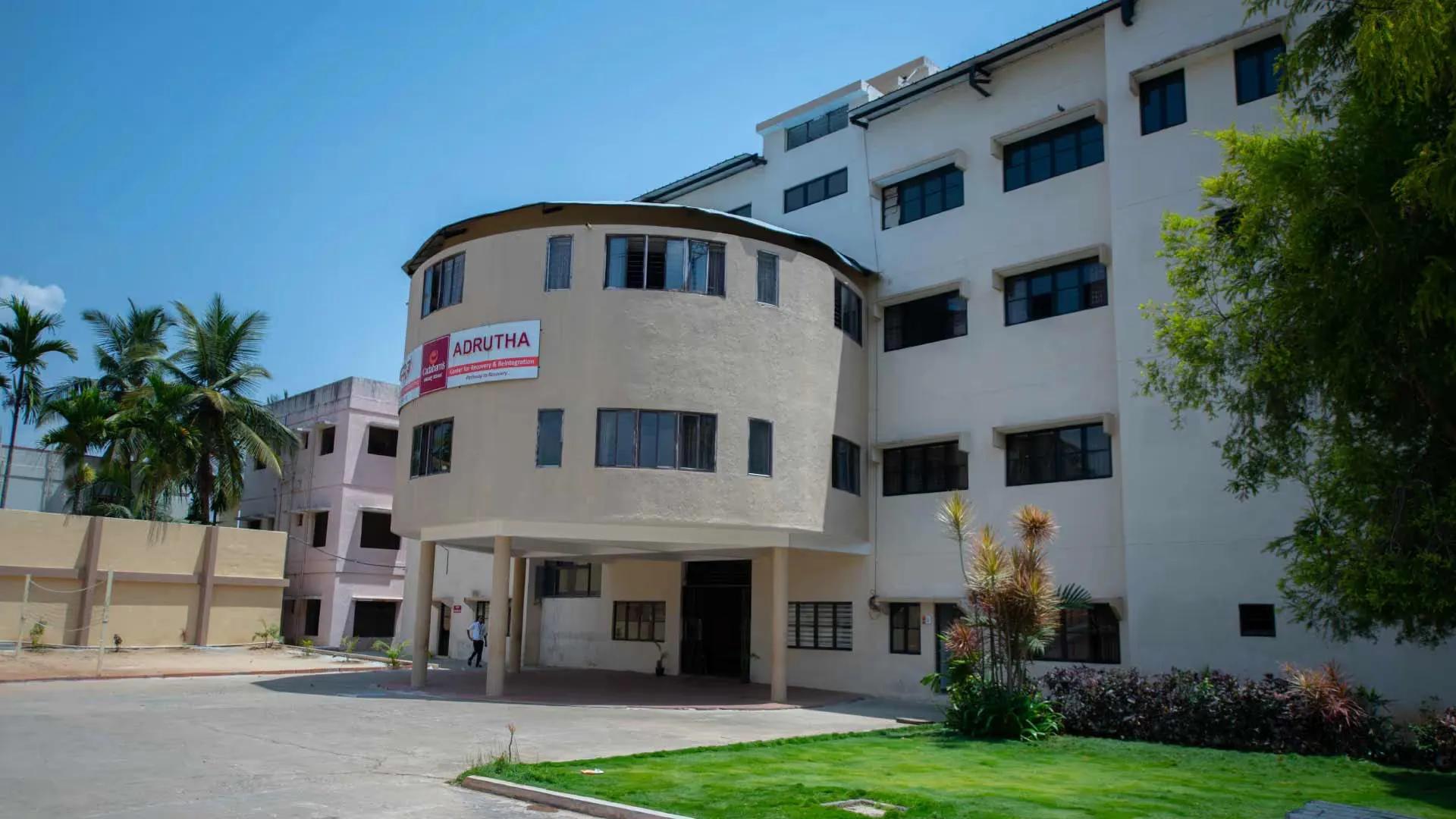
Our Affordable Rehab Centre in Bangalore
Read more
Our Specialised De-Addiction Centre in Bangalore
Read more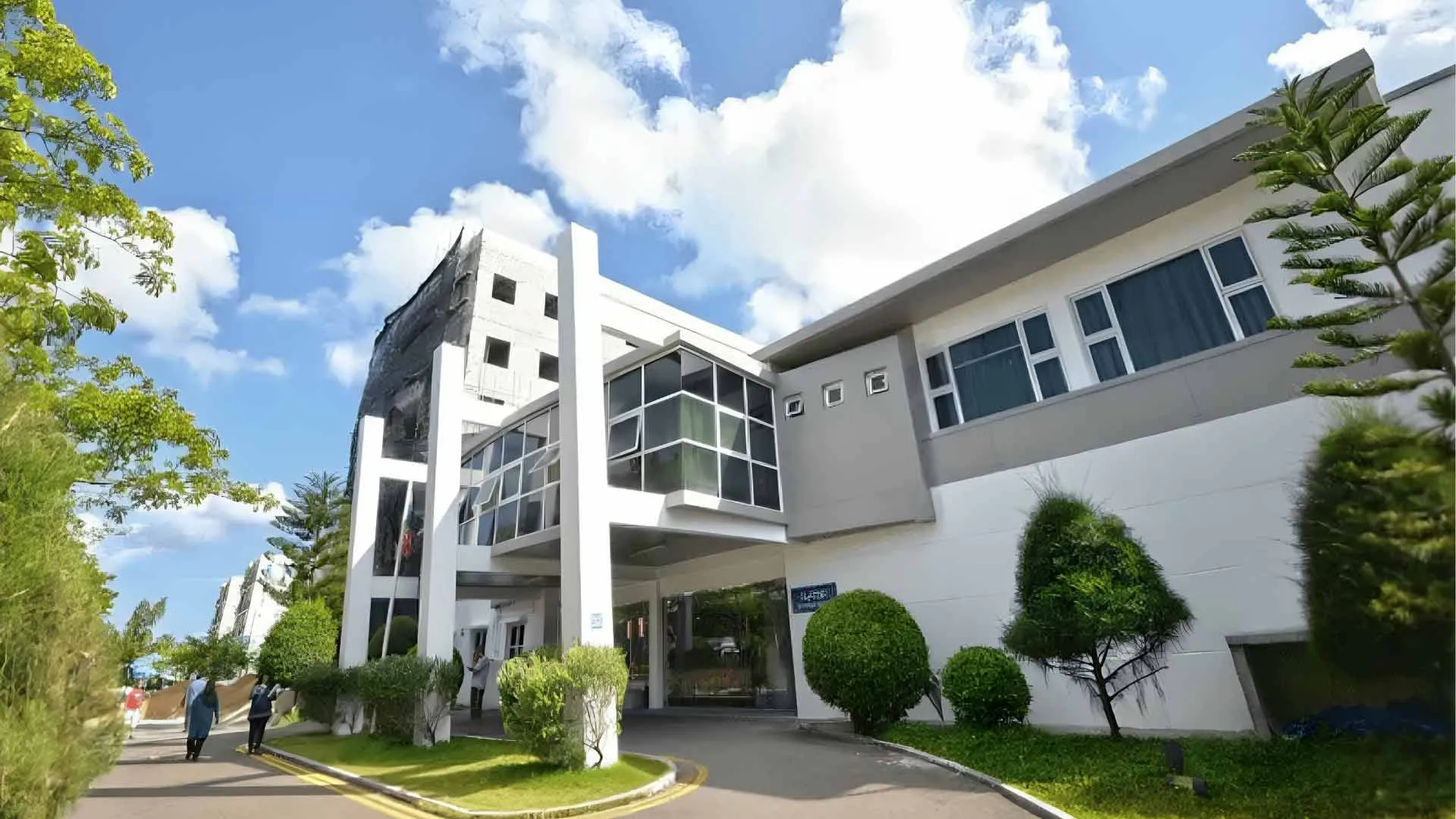
Premier Mental Health & Rehabilitation Centre in Maldives
Read moreGood to know
Personalisation is at the core of effective dementia care. Our process includes:
1. Comprehensive Assessment: Evaluating cognitive, functional, medical, and behavioural status.
2. Collaborative Goal Setting: Working with the family to set realistic goals focused on safety, comfort, and quality of life.
4. Flexible Approach: Adapting the care plan as the individual’s needs change over time.
Our programs utilise evidence-based interventions tailored for dementia:
Family involvement is crucial for the well-being of a person with dementia. We actively involve families through:
Informed and supported families are better partners in care, leading to improved outcomes for residents.
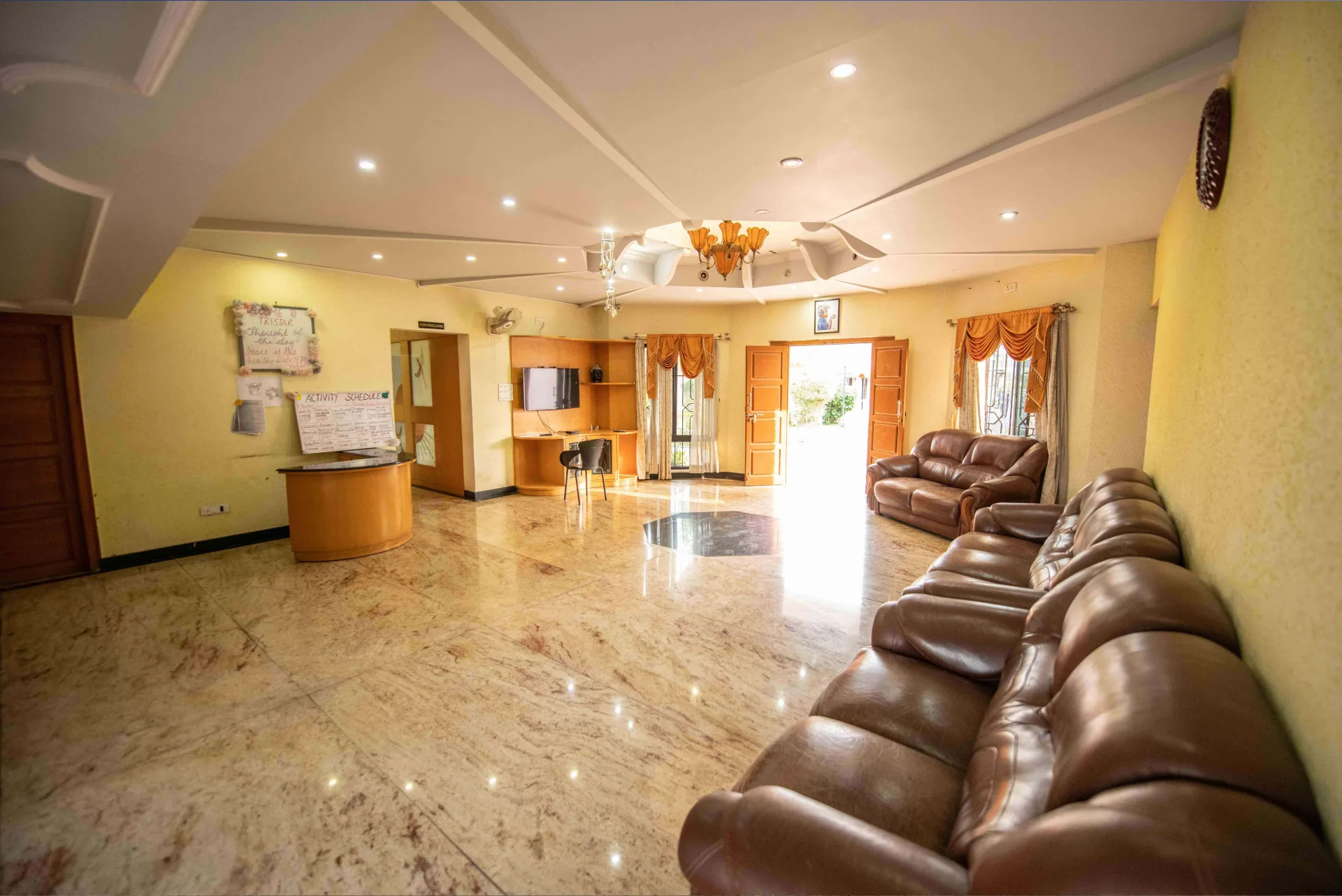
Inside our centres
The duration and cost of a dementia rehabilitation program depend on several factors, including the stage of dementia, the type of program (short-term vs. long-term), the level of nursing care required, and individual goals. We believe in transparency and will discuss all aspects of the care plan and associated costs during a detailed consultation, helping you make an informed decision without any pressure.
For individuals in our short-term programs, we manage a smooth transition back home or to a different care setting. Discharge planning includes caregiver training, medication plans, and strategies to manage care at home. For our long-term residents, our commitment is ongoing.
We provide continuous care, adapting to their changing needs and ensuring they receive compassionate support throughout their journey with dementia.
Navigating dementia care can be overwhelming, but you don’t have to do it alone. Speaking with a professional can help you understand which program is the right fit for your loved one’s needs. Let us help you find a path forward that prioritises dignity, safety, and quality of life.
If you or a loved one needs support, contact us at +91 9611194949 to speak with our experts.
Podcast & video
FAQs
Voices of recovery
My father was fighting dementia, and it was difficult to manage it at home. We searched for support for him, and we found Cadabam’s. They helped us immensely, they cared for him, and he seems so happy there. Thank you Cadabam’s.
— Mahantesh G
My father started facing severe memory problems. We understood that he was suffering from dementia after a few consultations with a psychiatrist. Rehabilitation at Cadabam’s has helped him so much. He is able to take care of himself and he is able to enjoy life. Thank you Cadabam’s.
— Veeresh A S
I would like to thank Cadabam’s for their care and treatment procedures. My mother was suffering from Dementia, and I was so scared to leave her at a rehabilitation centre. But, I see her so happy now, and she is still so functional. Thank you, thats all I want to say.
— Farah Sharma
My wife of 35 years started forgetting everyday things, and that was when we realized something was amiss. We received a diagnosis of dementia. It felt like the world was falling apart for me. But, the Cadabam’s team have done such a good job of caring for her that I feel so much more peaceful now. I can see her happy, and I know that she is cared for.
— Arvind Subramanian
Watch & learn
Further reading
Helpline at your fingertips
+91 96111 94949