Psychologist
Dr. Deeksha Chadha
Clinical Psychologist
1 years of experience
Treats: Bipolar Disorder, Obsessive Compulsive Disorder, Drug Adddiction, Alcohol Dependence, Depression, Schizophenia
View profileAlcohol dependence, a serious and treatable medical condition, significantly impacts a person's thoughts, emotions, behaviour, and overall ability to function. It is characterised by a compulsive need to drink alcohol, a loss of control over consumption, and the experience of withdrawal symptoms when not drinking. If you or a loved one is struggling, seeking professional help is a critical first step. This page is designed for individuals and families looking for expert psychiatrist consultation and clinical care for alcohol dependence. At Cadabam’s, we provide trusted, compassionate, and evidence-based mental healthcare to support your journey toward recovery.
Good to know
Yes, alcohol dependence can be effectively diagnosed and managed with the expert care of a psychiatrist. Psychiatrists are medical doctors who specialise in mental health, making them uniquely qualified to handle the complex interplay between the physical and psychological aspects of this condition.
Their approach focuses on a comprehensive assessment to arrive at an accurate diagnosis, followed by the creation of a personalised treatment plan. This plan includes ongoing support and adjustments to ensure the most effective management of symptoms and overall well-being.
Meet the clinicians
Psychologist
Clinical Psychologist
1 years of experience
Treats: Bipolar Disorder, Obsessive Compulsive Disorder, Drug Adddiction, Alcohol Dependence, Depression, Schizophenia
View profile
Psychiatrist
PSW
17 years of experience
Treats: Alcohol Dependence, Drug Addiction, Bipolar Disorder, Dementia, OCD, Schizophrenia, Depression
View profile
Psychologist
Consultant Clinical Psychologist
10 years of experience
Treats: Depression, Bipolar Disorder, Alcohol Dependence, Dementia, SLD, OCD
View profile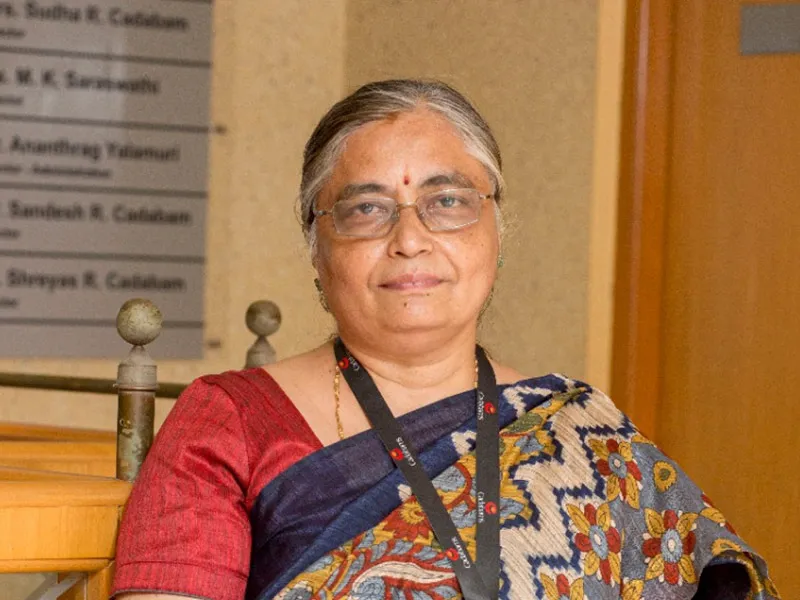
Vice-Chairperson
29 years of experience
View profileGood to know
Cadabam’s offers the best treatment options for alcohol addiction. This includes services ranging from outpatient services, in-patient services, and rehabilitation. We offer proven and tailor-made treatment programs for alcohol addiction that have helped countless individuals recover from the disorder.

33+ years of focused mental healthcare, shaped by 1000+ real patient journeys.

State of the art mental health centres built for treatment and recovery.

A coordinated team of psychiatrists, psychologists, counsellors, and rehabilitation specialists supporting your care.

Support from early signs through treatment and recovery.

Treatment guided by clear plans that continue beyond diagnosis.

Planned follow ups and continued guidance to help maintain progress over time.
Good to know
A psychiatrist plays a central and multifaceted role in treating alcohol dependence. Their clinical expertise is crucial in navigating the complexities of the condition. They begin by conducting a thorough assessment of your symptoms and medical history. Based on this evaluation, they create a structured and individualised treatment plan.
This plan may involve a combination of medication management to handle withdrawal and cravings, therapeutic interventions to address underlying psychological factors, and strategies for risk management. Throughout the process, they provide continuous support, monitor progress, and help you build a foundation for sustained recovery.
Good to know
A psychiatrist's assessment of alcohol dependence is a comprehensive process designed to understand the full scope of the condition. This clinical care by psychiatrists for alcohol dependence typically includes:
Good to know
An experienced psychiatrist for alcohol dependence will offer a range of treatment options tailored to your specific needs. This comprehensive approach ensures that all facets of the condition are addressed, from the physical cravings and withdrawal symptoms to the underlying psychological triggers. Treatment plans are dynamic and are adjusted based on your progress and evolving needs.
For many individuals, medication is a key component of treatment. A psychiatrist can prescribe and manage medications that help reduce cravings for alcohol (e.g., naltrexone, acamprosate) or manage the symptoms of withdrawal in a safe, controlled manner (e.g., benzodiazepines). They will explain how the medication works, monitor for side effects, and conduct regular follow-ups to ensure it remains effective. This medical supervision is essential for safety and optimal results.
Psychiatrists are skilled in managing the acute symptoms and risks associated with alcohol dependence. This includes creating plans to safely navigate withdrawal, which can be medically dangerous if unmanaged. They also help you identify high-risk situations that could trigger a relapse and develop coping strategies to manage them effectively. If a higher level of care is needed, such as inpatient detoxification, the psychiatrist will facilitate a referral to ensure your safety and stability.
It is common for alcohol dependence to occur alongside other mental health conditions like anxiety, depression, or PTSD. A psychiatrist is trained to identify and treat these co-occurring disorders simultaneously. Addressing both conditions is vital, as untreated depression, for example, can make it much harder to maintain sobriety. An integrated treatment plan that addresses your complete mental health profile leads to better, more sustainable outcomes.
Our centres
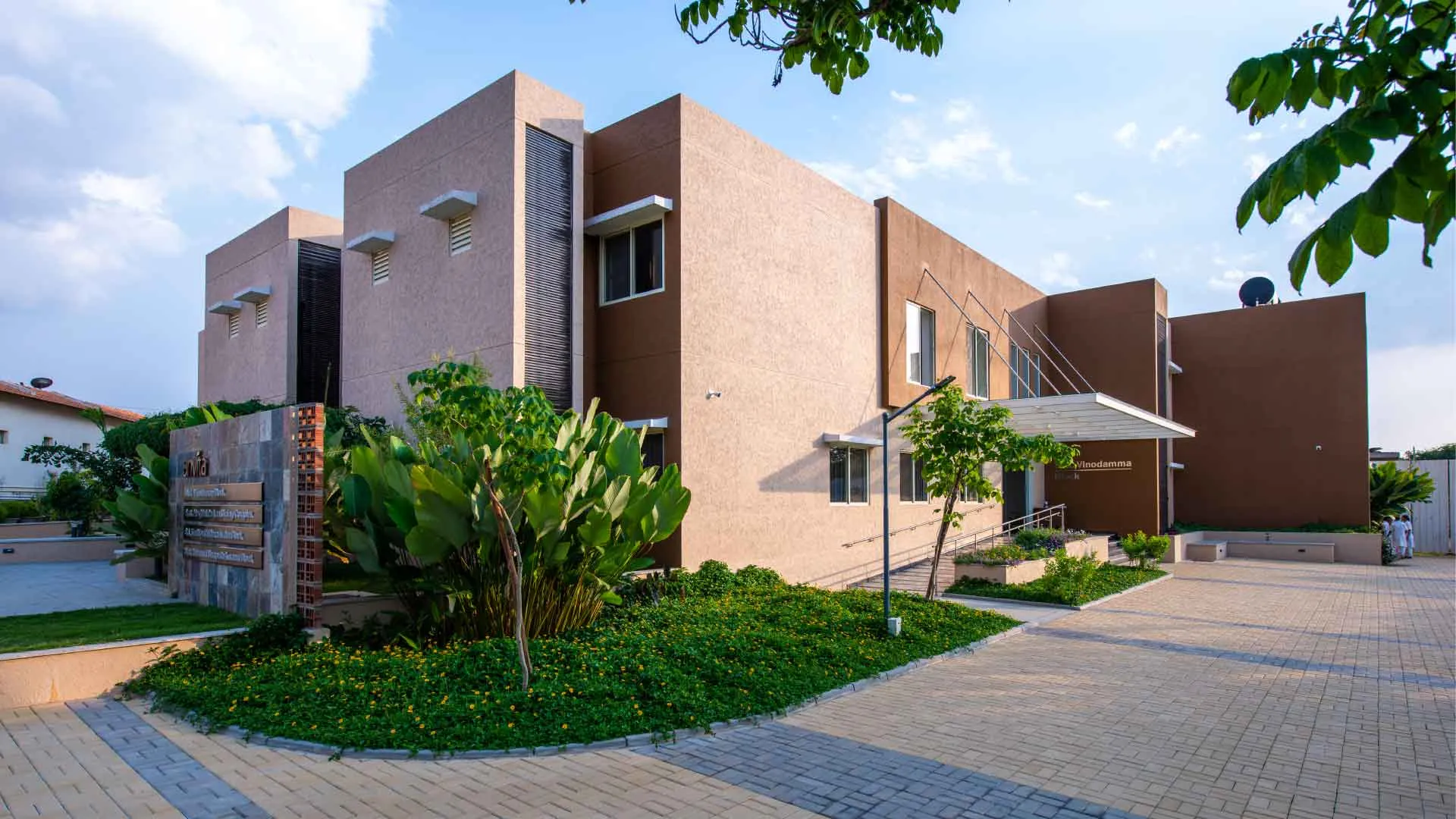
Long-Term Rehabilitation Center in Bangalore, India
Read more
Advanced Psychiatric Rehab Centre in Bangalore
Read more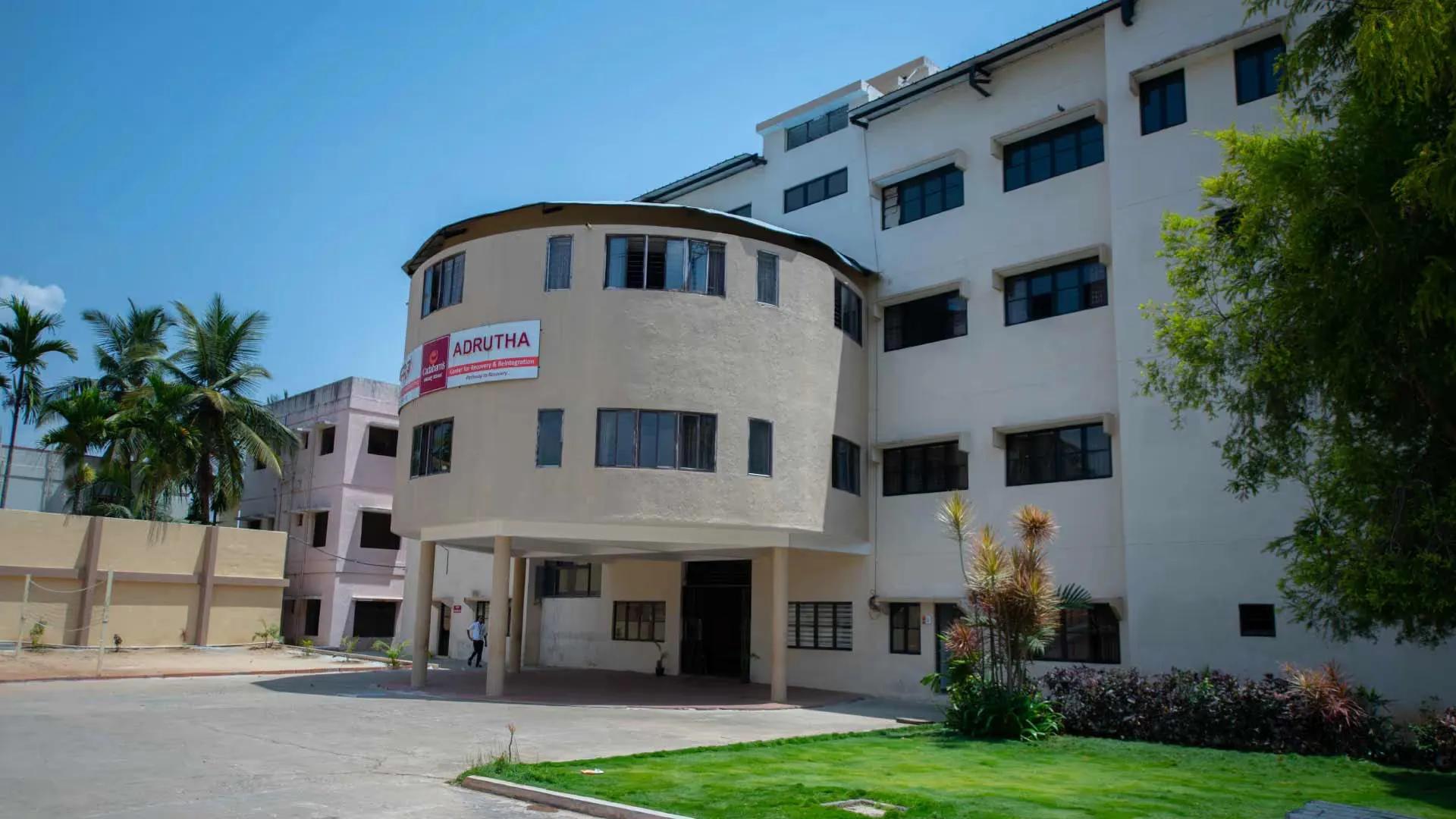
Our Affordable Rehab Centre in Bangalore
Read more
Our Specialised De-Addiction Centre in Bangalore
Read more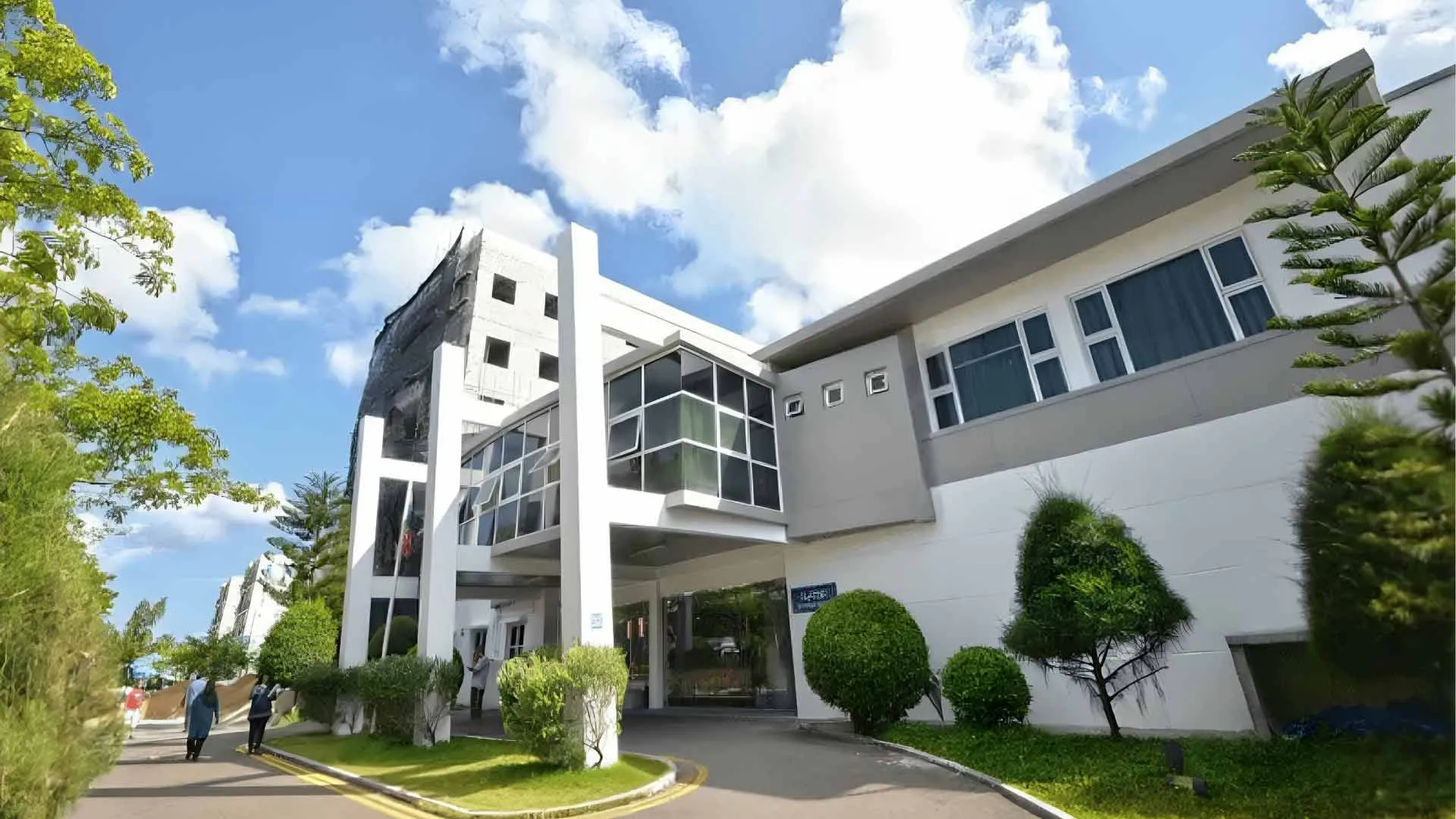
Premier Mental Health & Rehabilitation Centre in Maldives
Read moreGood to know
Your first consultation is a safe, confidential, and non-judgmental space to discuss your concerns. The psychiatrist will listen to your story, ask questions to understand your situation, and begin the assessment process. They will explain their initial thoughts, discuss potential treatment options, and collaboratively create a preliminary plan. You will have the opportunity to ask questions and learn about the next steps. The primary goal is to establish trust and set clear expectations to reduce any anxiety you may have about seeking help.
Good to know
The frequency of your visits to a psychiatrist will depend on your individual needs. In the initial phases of treatment, such as during detoxification or when starting a new medication, you may need to have more frequent appointments (e.g., weekly). As you become more stable and your symptoms are better managed, the frequency may decrease to bi-weekly or monthly visits. Your psychiatrist will work with you to determine a follow-up schedule that provides the right level of support.
Good to know
The cost of consulting a psychiatrist for alcohol dependence varies based on several factors. These include the type of consultation (initial assessment vs. follow-up), the duration of the sessions, and the complexity of the care required (e.g., medication management, therapy). While we cannot provide an exact price, Cadabam’s is committed to transparency. We encourage you to contact our team to discuss the fees and payment options available.
Inside our centres
Good to know
At Cadabam’s, your privacy and well-being are our highest priorities. All our psychiatrists specialised in alcohol dependence adhere to strict ethical standards and confidentiality protocols. Everything you discuss during your consultation is protected and private. We are dedicated to providing a respectful, empathetic, and professional care environment where you and your family can feel safe and supported throughout your treatment journey.
Podcast & video
FAQs
Voices of recovery
Thanks to Cadabam’s Deaddiction Center, my son has found a new lease on life free from the chains of addiction. Their compassionate support and expert guidance made his recovery journey possible, and I'm forever grateful for the positive impact they've had on our family
— Joseph Vijay
My son made great recovery at the rehabilitation centre, but he was having some problems after discharge. With post-rehabilitation care at Cadabam’s, they ensured that my son identified and dealt with his issues at an early stage. The dedication of the team is really commendable!
— Dhanvantri J
Cadabam’s were quite beneficial against my alcoholism. My life had been absolutely shattered as a result of it. I was able to get my life back on track thanks to a brief program here. Thank you very much.
— Manikantan
Anunitha gives hope, comfort, professional support when you need it the most. Dr. Priya is amazing. As for Ms. Raji, she's outstanding in her depth of understanding and tracking all the residents. Her thoughtful advice has been most valuable. I am very grateful for all the help my family member has received. Thank you!
— Bhanu Chandran
I never realised when my brother started slipping away. We thought it was too late when we realized he was addicted to alcohol. But, the folks at Cadabam’s reassured us, and took such good care of him. Rehabilitation at Anunitha really helped him, and we are grateful to Cadabam’s for bringing him back to us.
— Prithviraj Kumar
Alcohol Addiction had completely taken over my life. I was trying hard to fight it, but sometimes there's nothing you can do. Cadabam’s helped me rediscover my will to fight and their rehabilitation program made me feel healthy again. Thank you Cadabam’s.
— Khushi Sharma
My son had been addicted to alcohol for so long. It had affected his liver and we were really scared that he was going to suffer more. But, the detoxification and alcohol rehabilitation program at Cadabam’s really helped him overcome his addiction. It helped him give up the bottle.
— Vinay Kumar
Watch & learn
Further reading
Helpline at your fingertips
+91 96111 94949